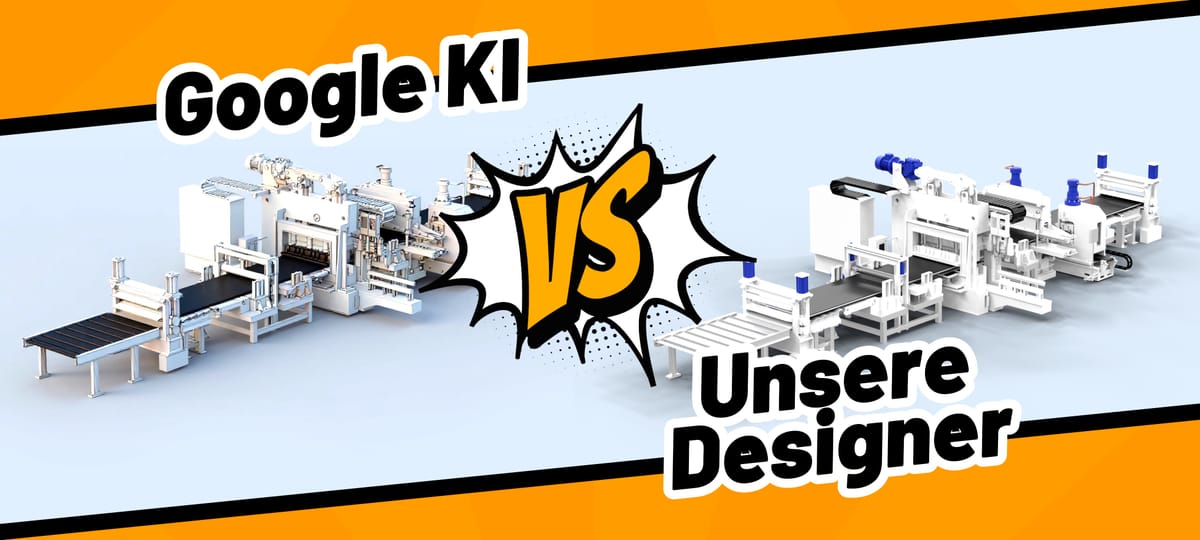

Google Veo 3.1 and Nano Banana create impressive visualizations in minutes. For social media, this can be enough. But B2B mechanical engineering plays in a different league.
When customers buy machines that cost six figures, "looks good" is not enough. What counts is "is technically correct", "matches our product exactly" and "represents our brand professionally". Here are seven fundamental reasons why professional CGI renderings stay essential for B2B mechanical engineering.
1. ⚙️ Technical Precision and CAD Conformity
The requirement: Your catalogs, sales documents and technical documentation must be absolutely correct. Every screw, every angle and every dimension must match reality.
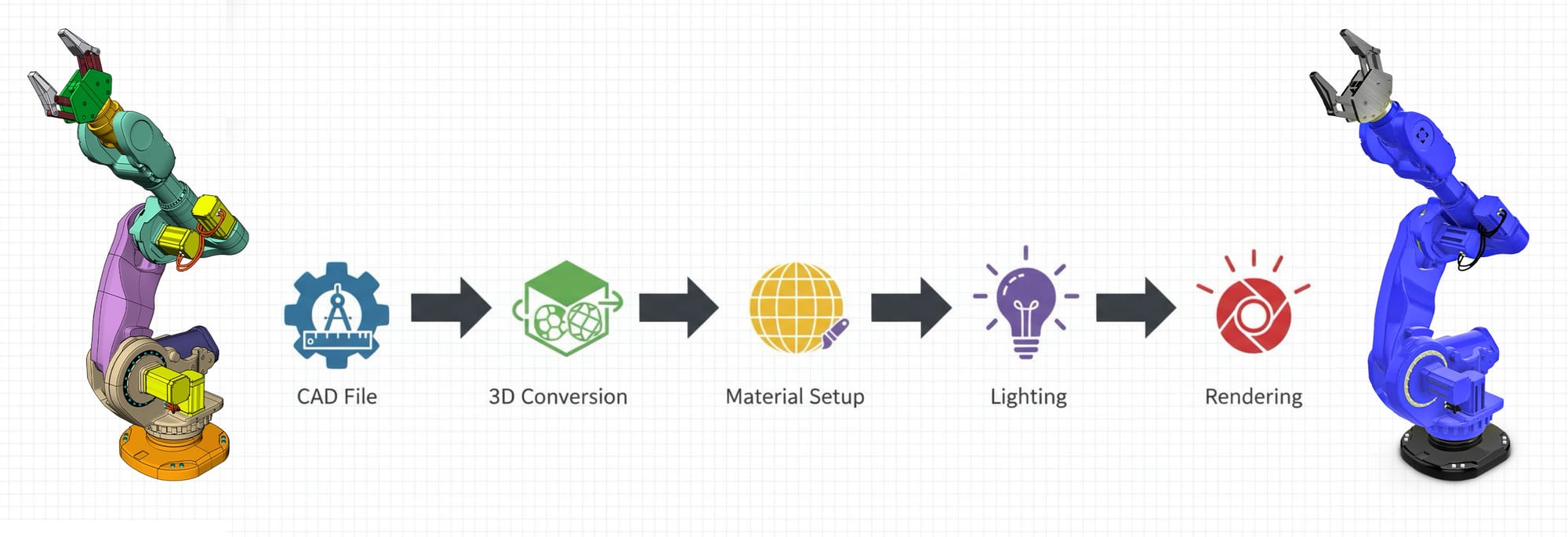
The problem with AI:
AI-generated images are based on statistical patterns from training data. They "hallucinate" details that look plausible, but are not necessarily correct. An extra lever here, a slightly different geometry there: to the human eye, it looks right. For an engineer who makes a purchase decision based on this visualization? Unacceptable.
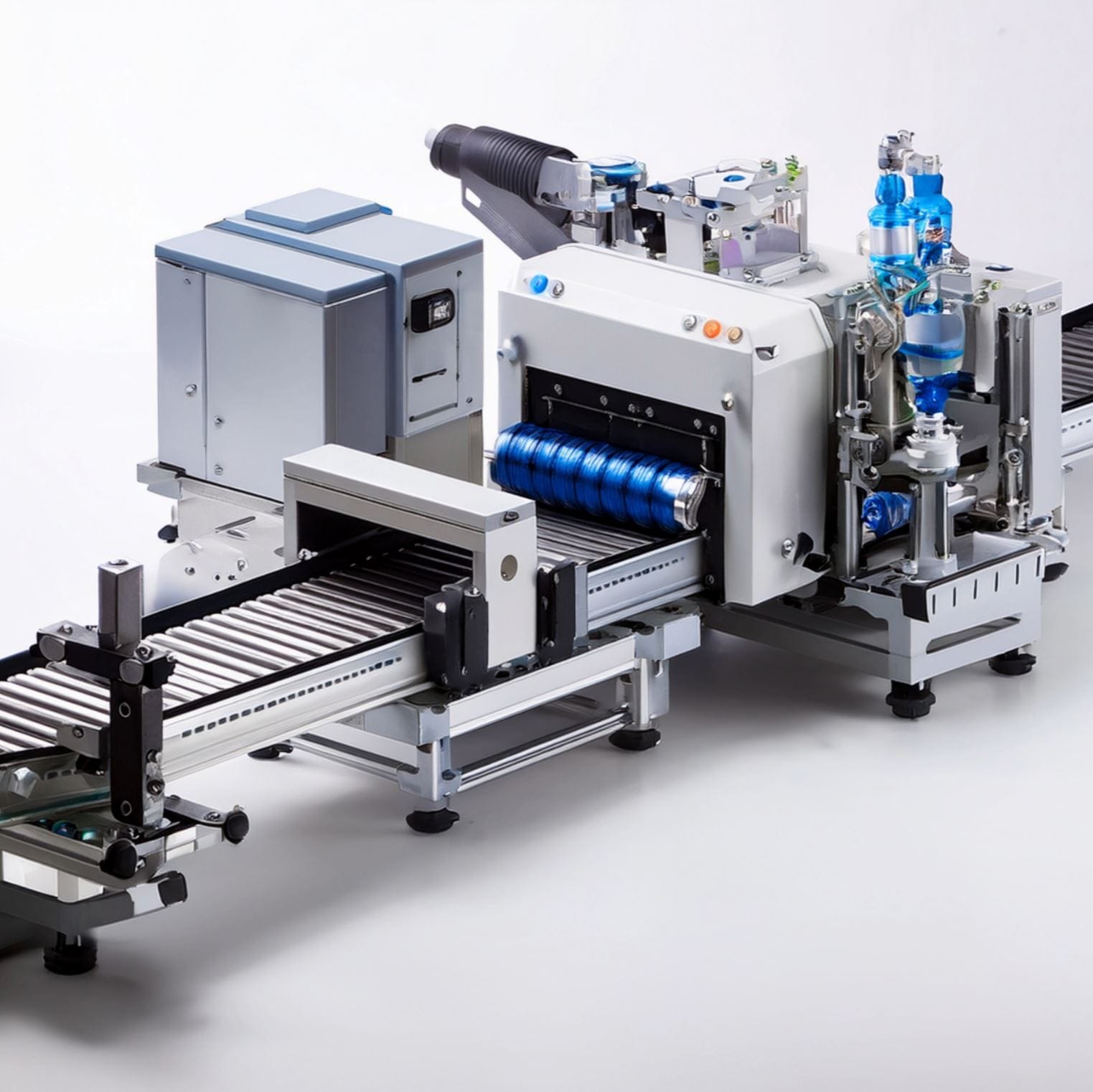
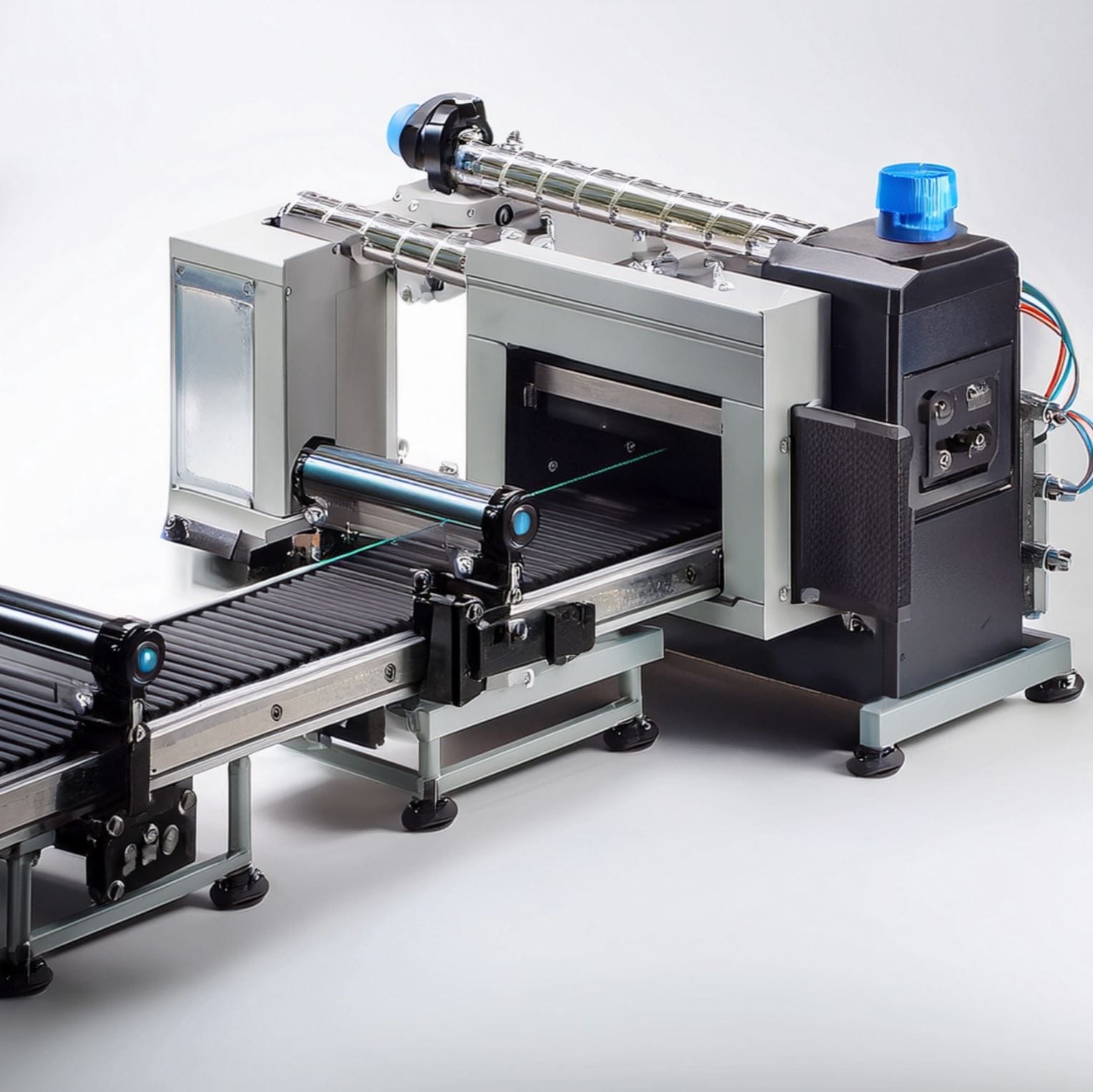
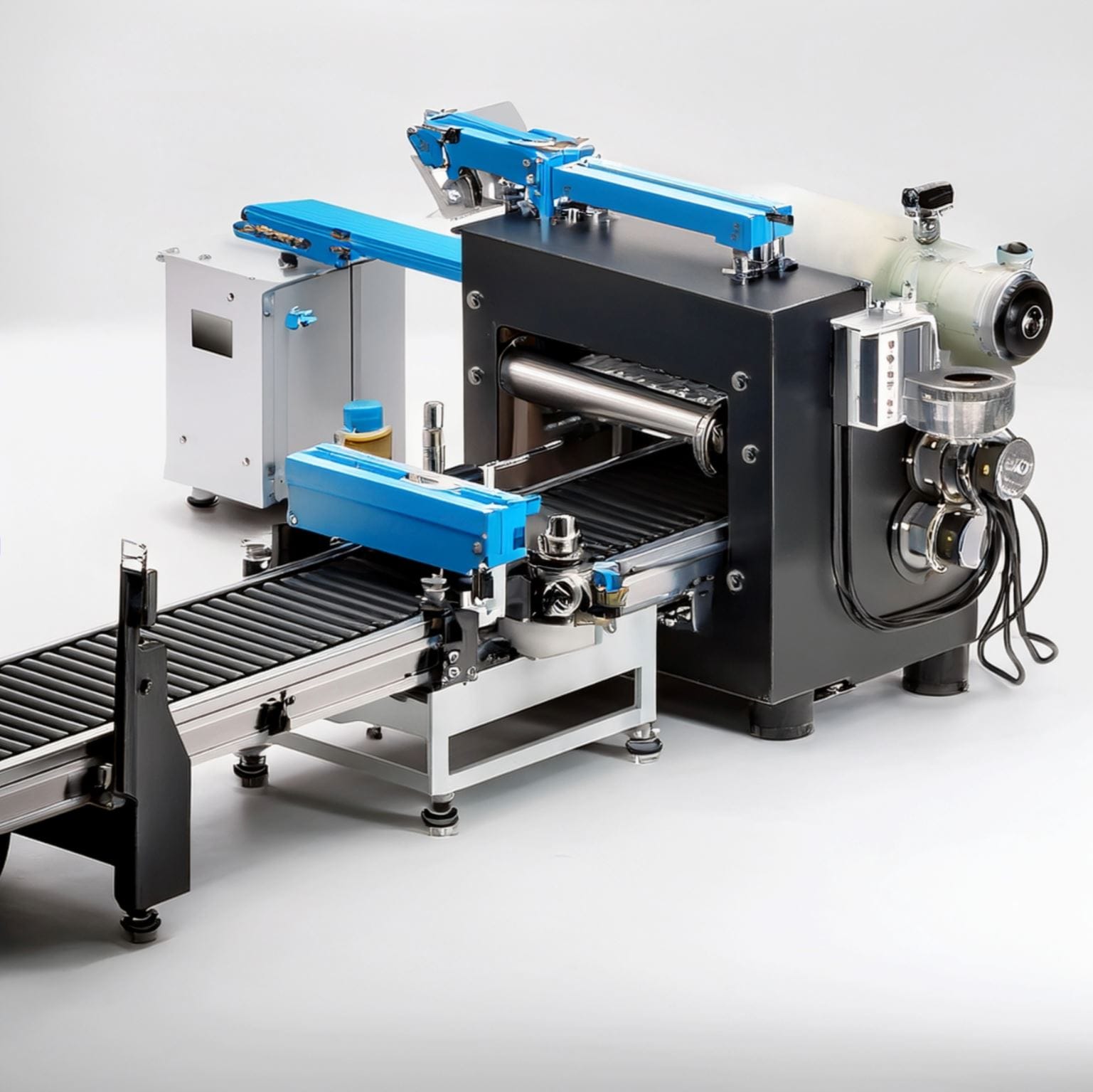
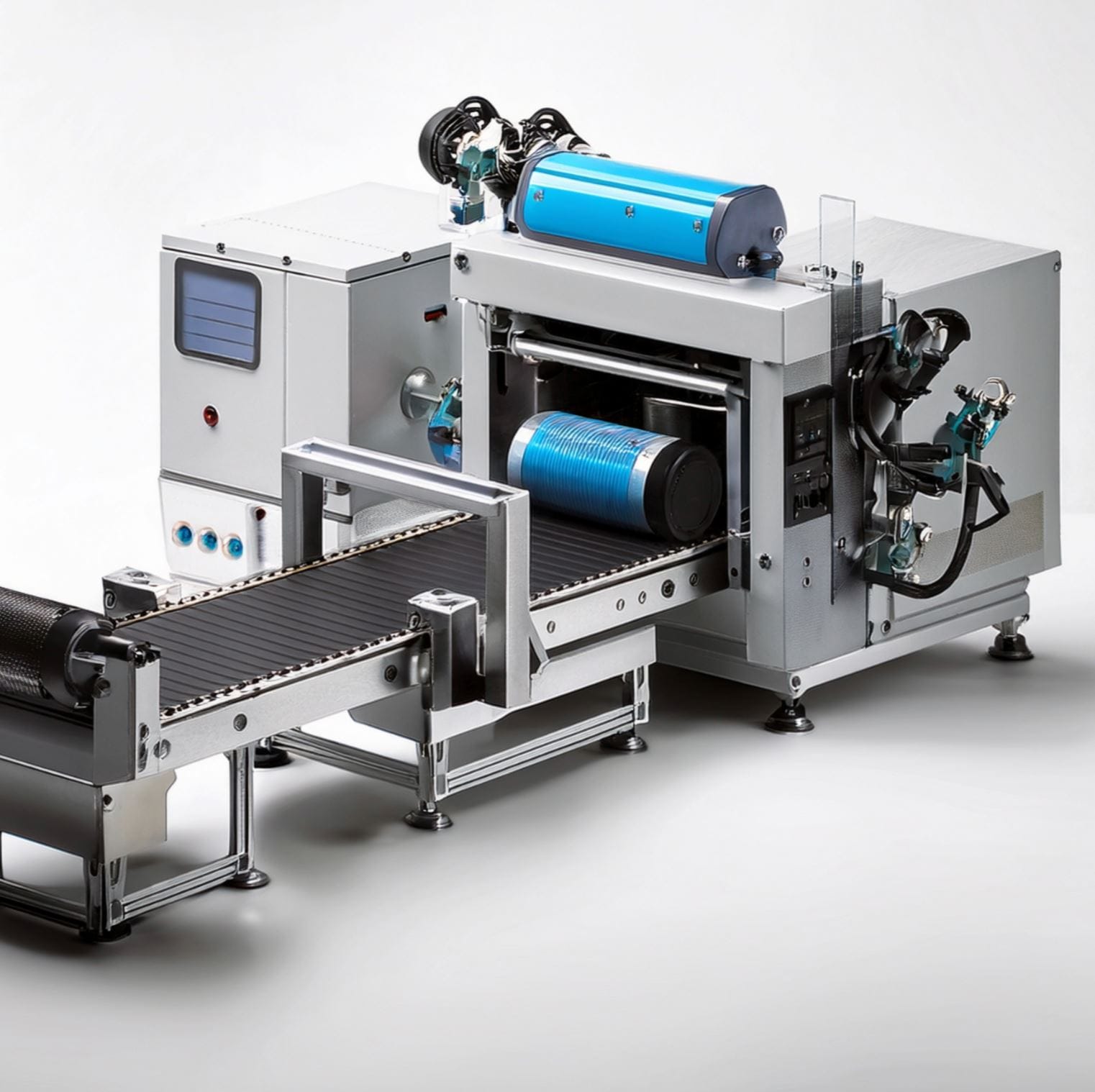
AI "hallucinates" details that look plausible, but are not correct
The solution with CGI:
Professional CGI renderings are based directly on CAD data. What you see is exactly what is produced. This technical precision is not negotiable when customers buy machines that cost six figures.
2. 🎨 Brand Consistency Across Hundreds of Products
The requirement: Your corporate design defines exact RAL or Pantone colors. Your brand presence requires consistent lighting, perspectives and styling across your full portfolio.
The problem with AI:
AI generates each image from scratch, and each time slightly differently. Try to create fifty machine visualizations with Nano Banana or Veo 3.1 that all have exactly the same lighting, the same brand colors and the same visual style.
The result: Each image is a one-off. For an Instagram post, this is not a problem. For a product catalog? A nightmare.
The solution with CGI:
Professional 3D production works with master setups: you define the lighting scenarios, materials and camera settings once and apply them to as many products as you need.
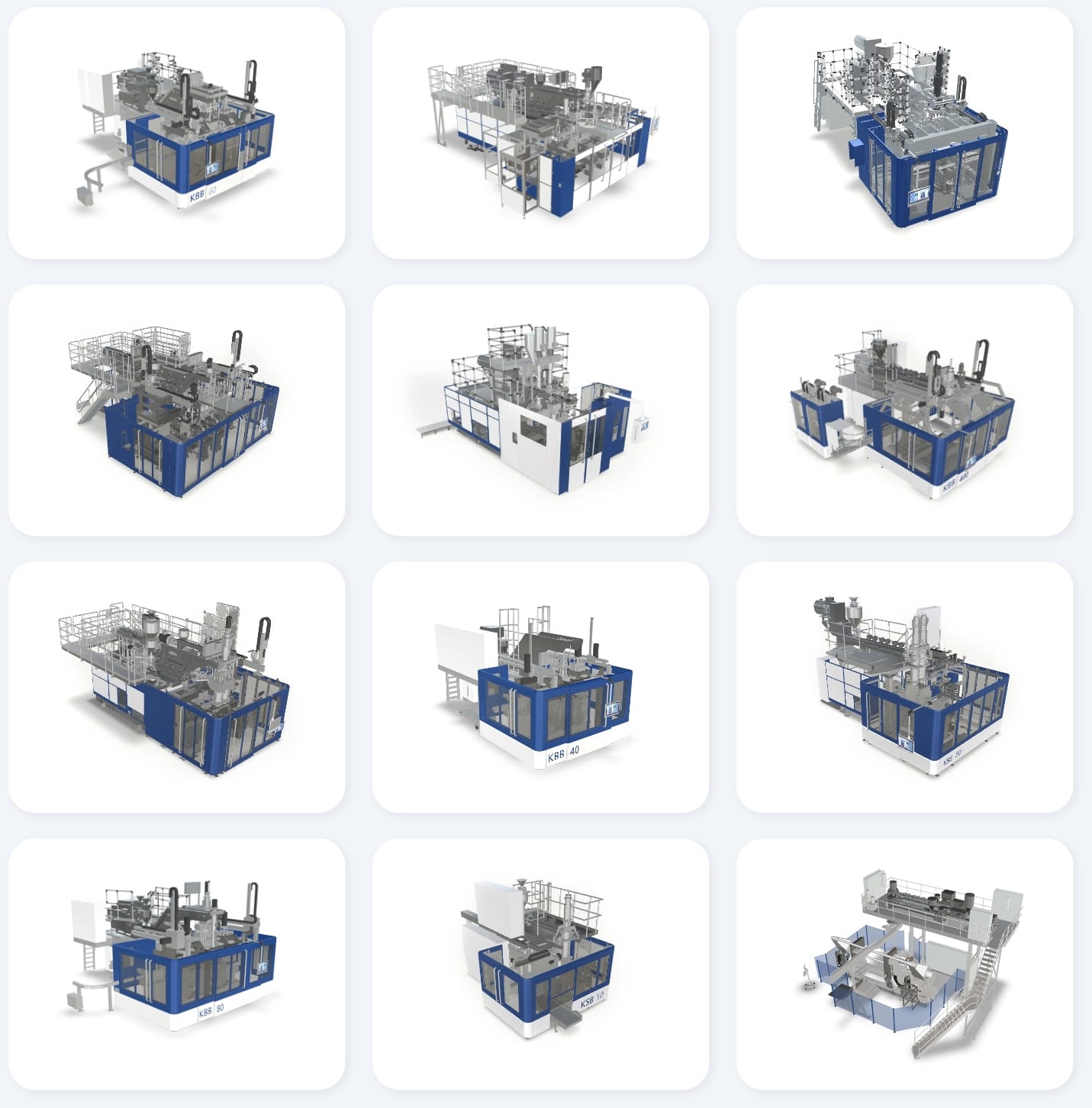
The result: Perfect consistency across your full portfolio. All products look as if they come from the same professional production, because they do.
3. 🎛️ Control Over Every Detail
The requirement: In product communication, you must highlight specific features. This safety mechanism. That innovation. The new control unit.
The problem with AI:
With AI, you describe what you want and hope that the result fits. Sometimes it works on the first try. Often it takes dozens of iterations. And sometimes you simply do not get the result you want, no matter how precise your prompt is.
The solution with CGI:
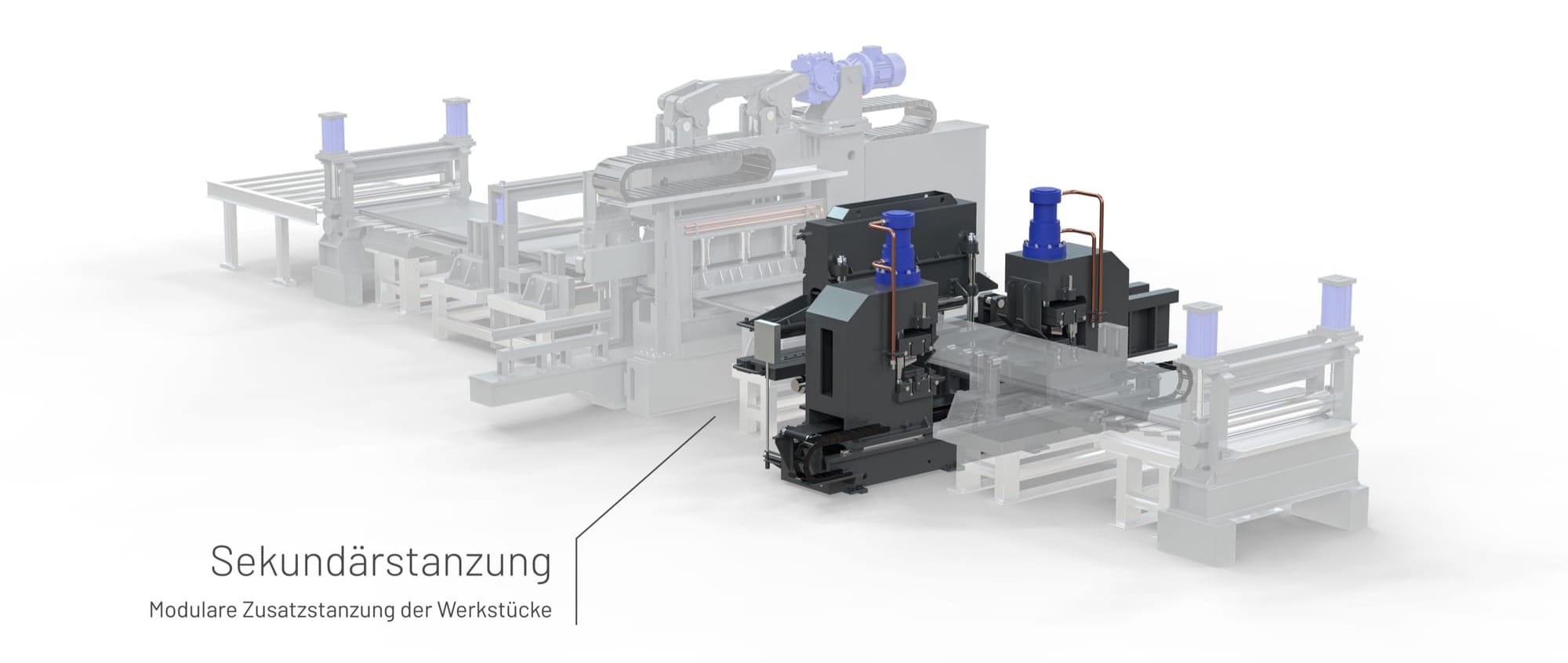
With professional CGI renderings, you control every pixel:
- ✅ Camera angle at exactly 23 degrees? No problem.
- ✅ Spotlight on this specific component? Done immediately.
- ✅ Labels with technical callouts? Standard workflow.
- ✅ A larger logo? Precise adjustment in minutes.
Conclusion: A targeted feedback loop instead of trial and error.
4. 📈 Reproducibility and Scalability
The scenario: You launch a new product line: 50 machine variants, each from three perspectives, in consistent quality. Deadline: four weeks.
With AI:
You generate thousands of images, select the best ones, try to make them consistent, partly fail and start again. It is like photographic production: each image is a separate project.
Result: Time-consuming, inconsistent and hard to plan.
With automated CGI workflows:
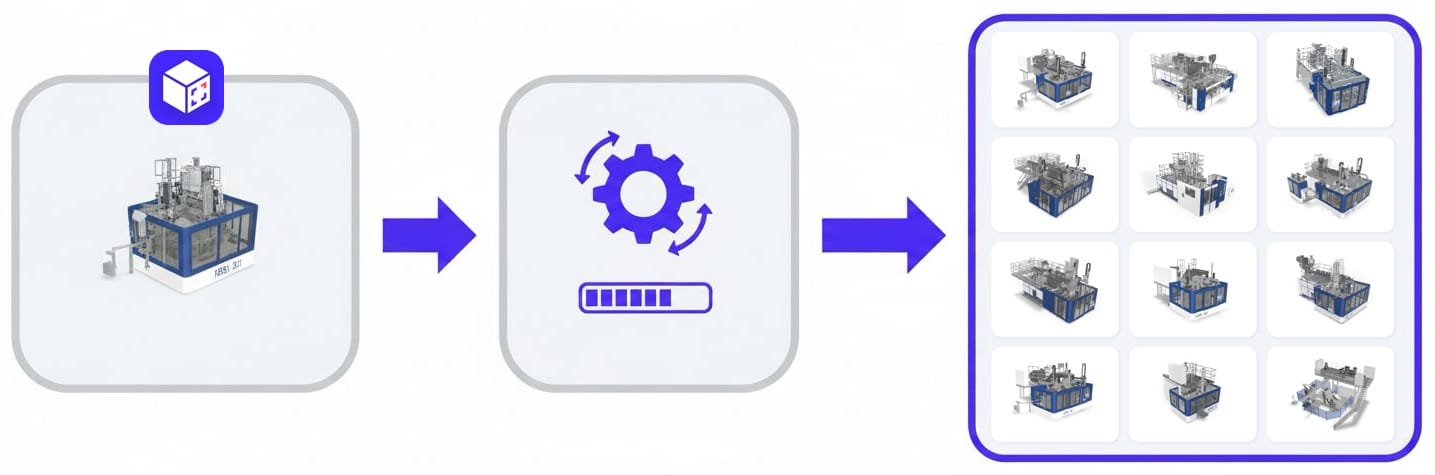
This is a batch process: CAD data in, consistent renderings out. Scalable, repeatable and controllable.
The system automatically generates all necessary views from one CAD dataset, and all of them look as if they come from the same professional photographer.
Result: 150 perfectly consistent renderings in four weeks? With modern CGI workflows, this is no problem.
5. 🔒 Rights, Licensing and IP Protection
The reality: Your CAD data is confidential. Your product designs are intellectual property. Competitors would like to have them.
The risk with AI:
Many AI services reserve the right to use uploaded content for model training. Your confidential product data could become part of the next training dataset.
For machine builders with patents and trade secrets: A no-go.
The security of professional service providers:
Professional 3D service providers work with:
- ✅ NDAs (non-disclosure agreements)
- ✅ GDPR-compliant German servers
- ✅ Guaranteed IP protection
- ✅ No data sharing with third parties
GDPR-compliant German servers, NDAs, and VF3D models that cannot be reverse-engineered. Your IP stays protected.
At Vuframe, we even optimize the final 3D models so that nobody can reverse-engineer them. This gives your know-how additional protection.
6. 🔄 Precise Iteration Based on Feedback
The typical scenario:
- The head of sales wants the safety handle 3 cm to the left
- Marketing needs a larger logo
- The product manager wants the new control unit to be more visible
With AI:
Write a new prompt, generate again, hope. Often other parts of the image change completely as "collateral damage".
Result: A frustrating trial-and-error process with unpredictable side effects.
With professional CGI:
You move the handle 3 cm to the left. Period.
- ✅ Precise adjustments
- ✅ No unwanted changes
- ✅ Fast feedback loop
- ✅ Predictable result
7. 🔗 Integration With CAD Workflows
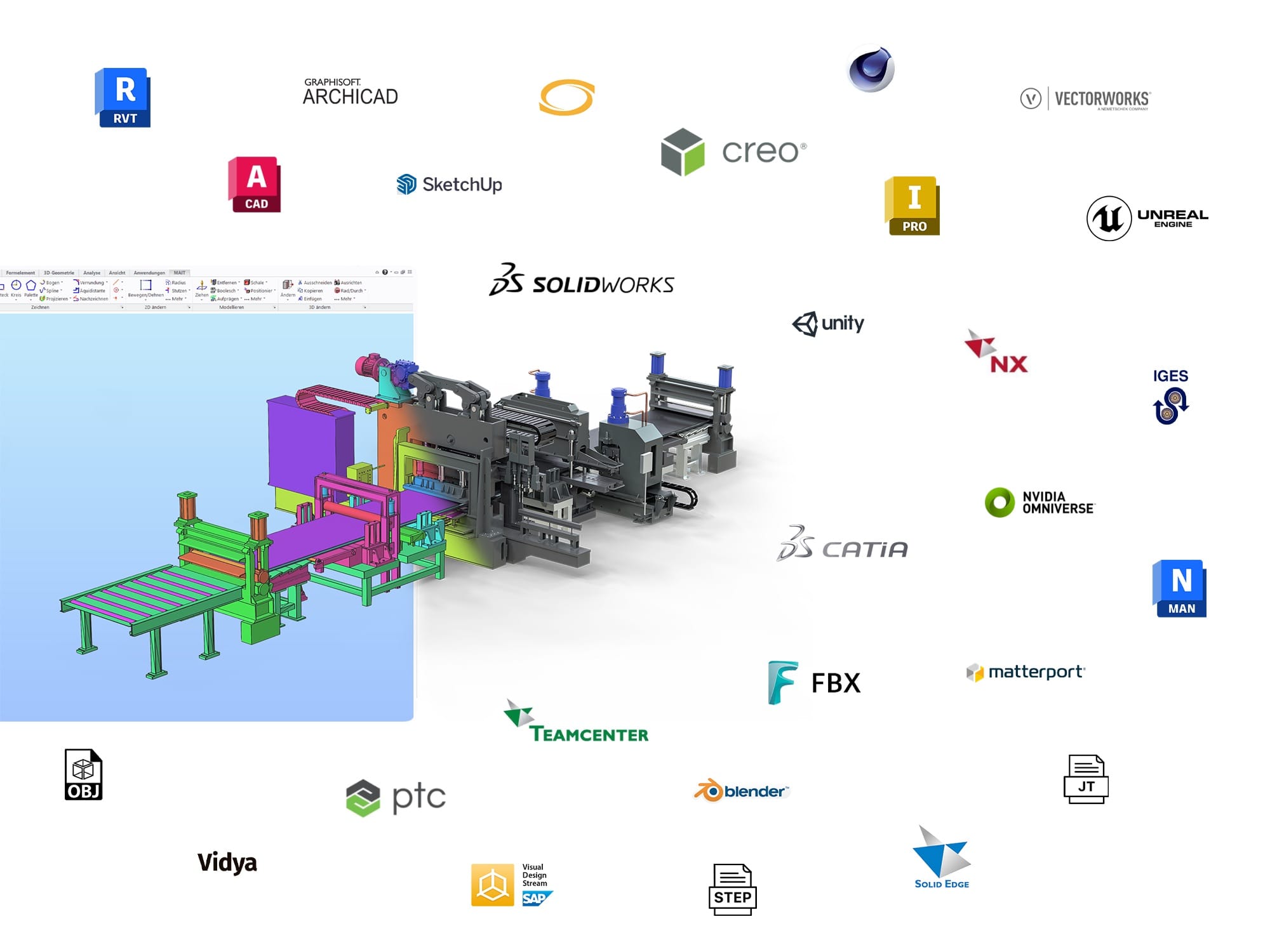
The reality: Your development department works in SolidWorks, Creo or Siemens NX. Product changes flow into the CAD models continuously.
With AI:
You would have to write new prompts or create reference images each time, and you could never be sure that the visualization shows the change correctly.
With CAD-to-3D pipelines:
This is automated:
- Upload the updated CAD file
- The system automatically generates updated visualizations
- Directly from the engineering source, guaranteed correct
Result: Your visualizations are always up to date, with no manual work.
🎯 Conclusion: Quality Is Not Negotiable
AI visualization is impressive for some use cases. But B2B mechanical engineering has requirements that go beyond "impressive":
- ✅ Technical precision: Not "approximately right", but "exactly correct"
- ✅ Brand consistency: Not "similar", but "identical"
- ✅ Control: Not "hoping", but "knowing"
- ✅ Scalability: Not "single images", but "complete product lines"
- ✅ IP protection: Not "possibly secure", but "guaranteed protected"
- ✅ CAD integration: Not "adjust manually", but "synchronized automatically"
Vuframe: €490 for 3 professional renderings
✅ Advertising rights included
✅ One correction round included
✅ 8K resolution
✅ CAD-conform precision
When customers buy machines that cost six figures, quality is not negotiable. Professional CGI renderings are not an option. They are the standard.
🔗 Read more:
Interested in the full analysis? Read our main article:
 Marie Candela