

Google Veo 3.1 can generate impressive videos from text. Nano Banana turns 2D images into 3D visualizations. The latest generation of AI promises photorealistic product images at the push of a button, for a fraction of the cost of traditional 3D production.
For marketing managers in mechanical engineering, this sounds attractive: at last, fast and low-cost product visualizations without complex 3D productions. But before you move your rendering budget to AI credits, take a close look at what this impressive technology can actually do, and where its limits are.
💡 TL;DR:
AI visualization is a powerful tool for specific applications. But in B2B mechanical engineering, technical precision, brand consistency and CAD conformity are business-critical. There, AI complements professional CGI renderings. It does not replace them.
🤖 What AI Visualization Already Does Impressively Well
To be fair, the development is very fast. Google Veo 3.1, presented in October 2025, generates high-quality 8-second videos with synchronized audio from text descriptions alone. Nano Banana (officially Gemini 2.5 Flash Image) has been available since August 2025. It creates consistent 3D views from 2D images and shows remarkable spatial accuracy.
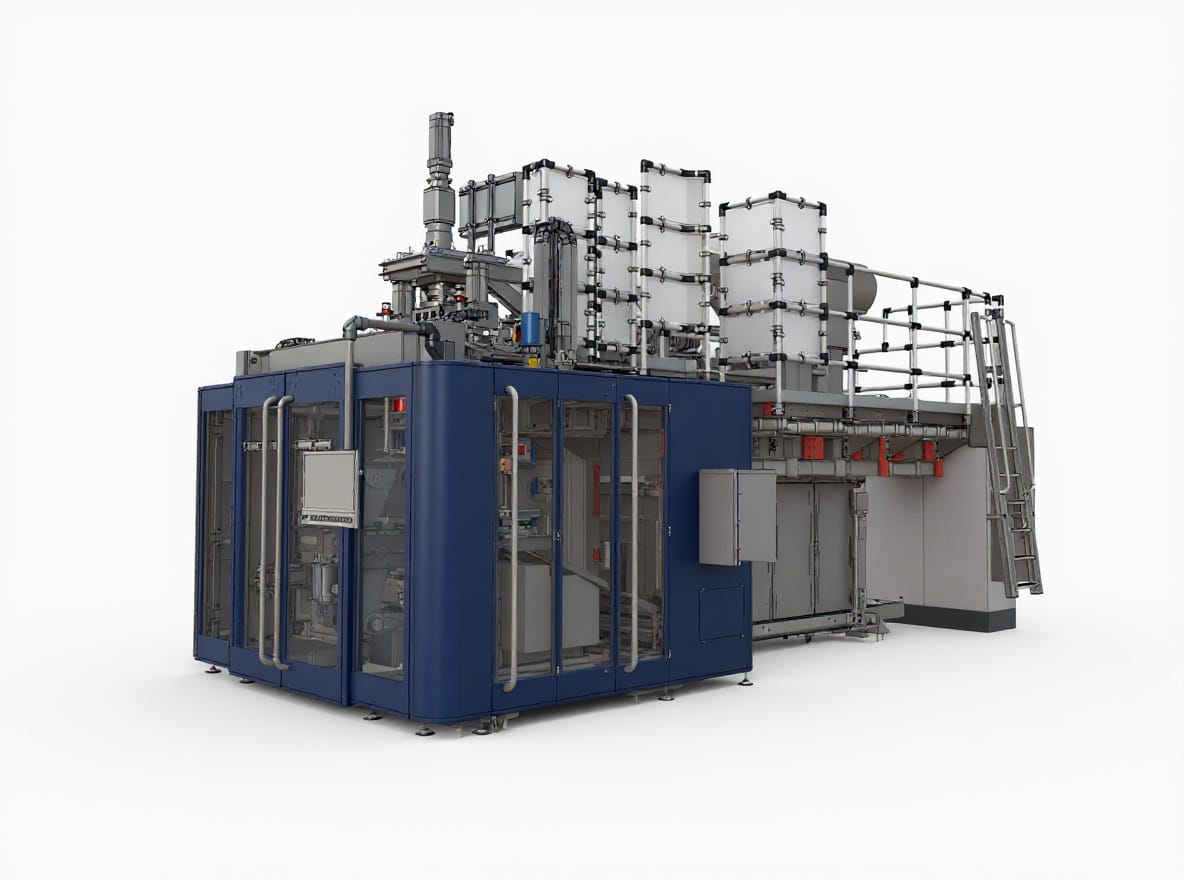
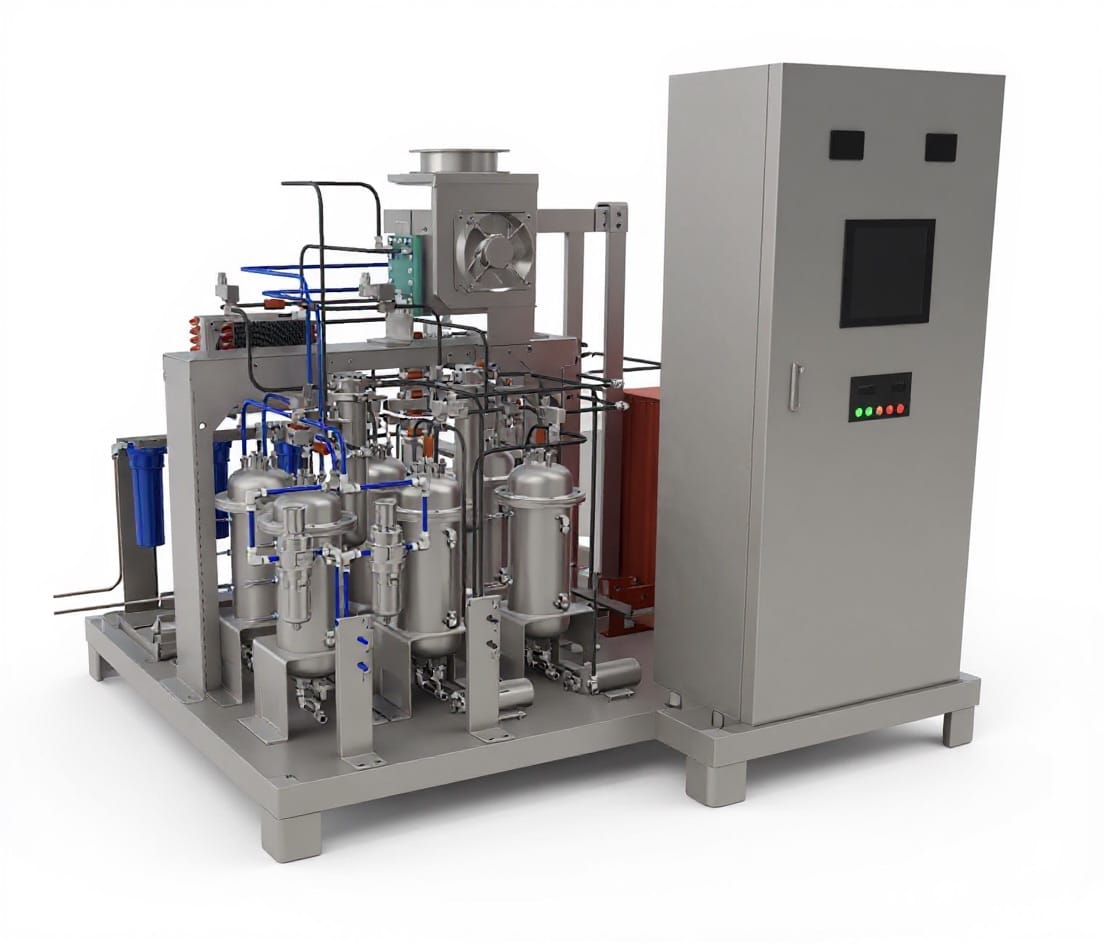
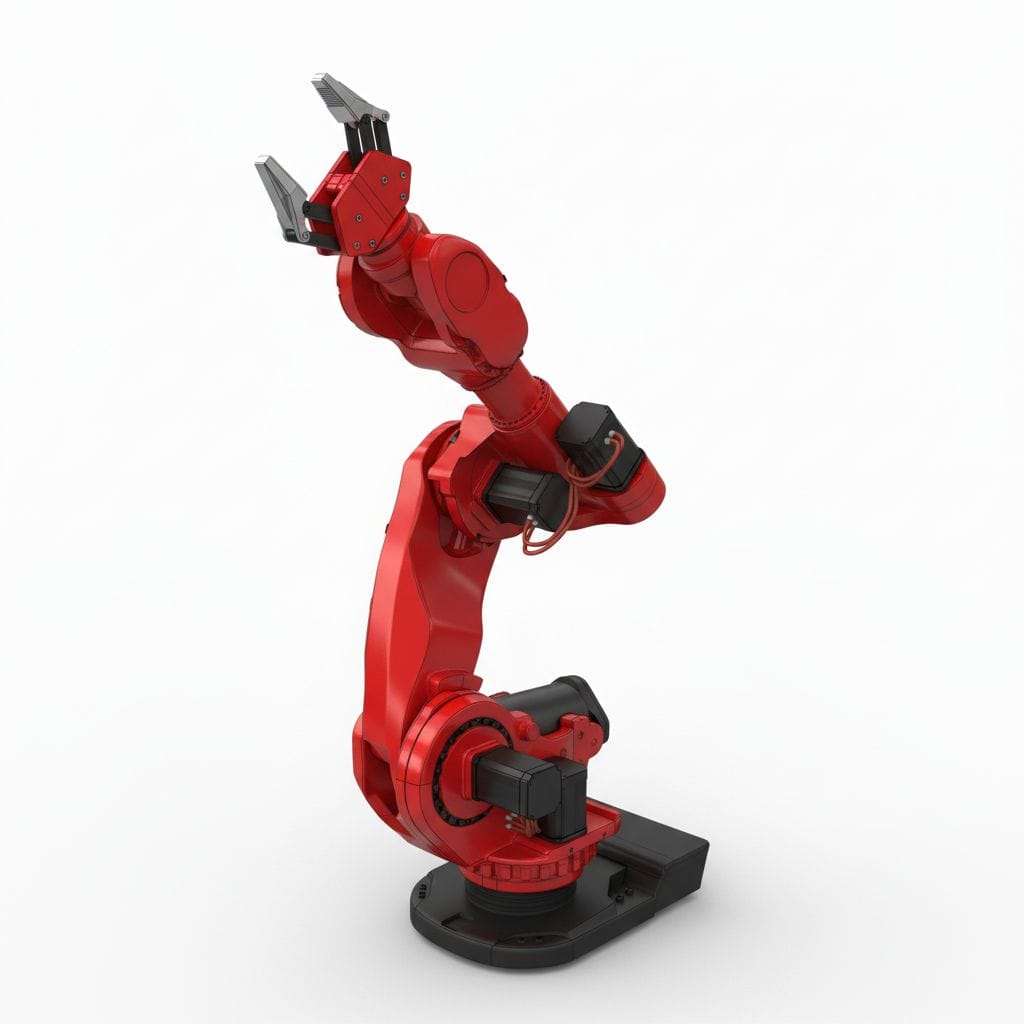
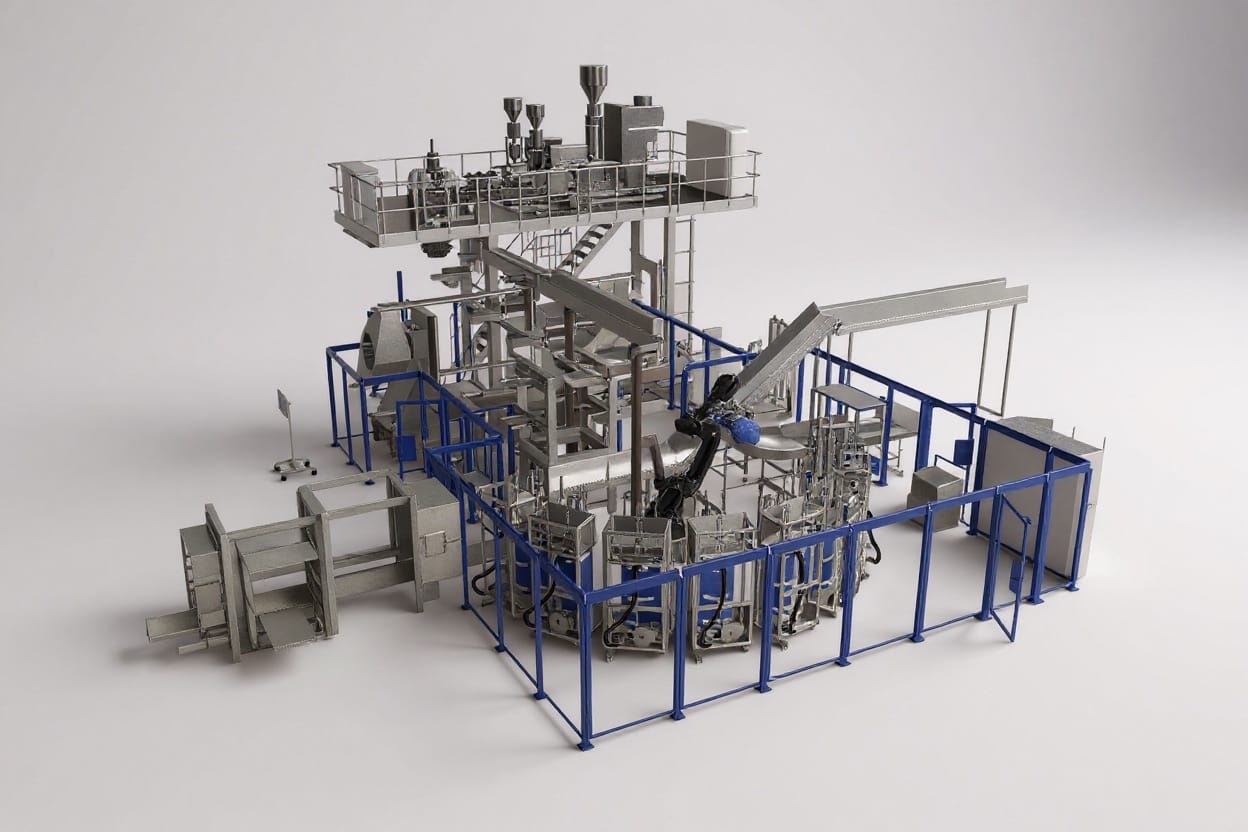
Examples of impressive AI-generated visualizations with Google Veo and Nano Banana
For some use cases, these tools are already competitive today:
✅ What AI Already Does Well Today:
📱 Social media content: Do you need fast hero shots for LinkedIn or Instagram? AI delivers impressive images in minutes. This is perfect for organic social media posts, where speed is more important than pixel-perfect precision.
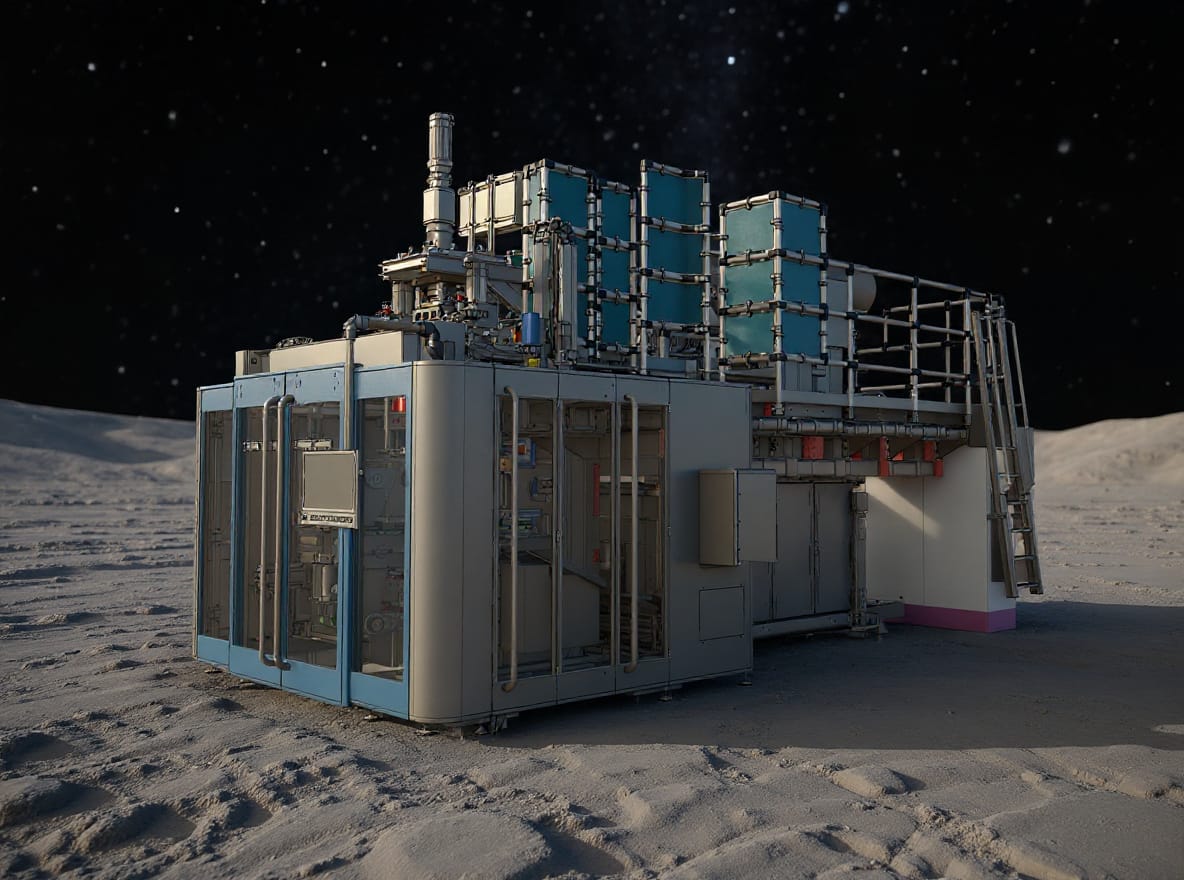
💡 Concept visualizations: Early design phases, mood images, creative ideation: here, AI shines. Designers do not have to wait days for a concept rendering. They can explore different directions in hours.
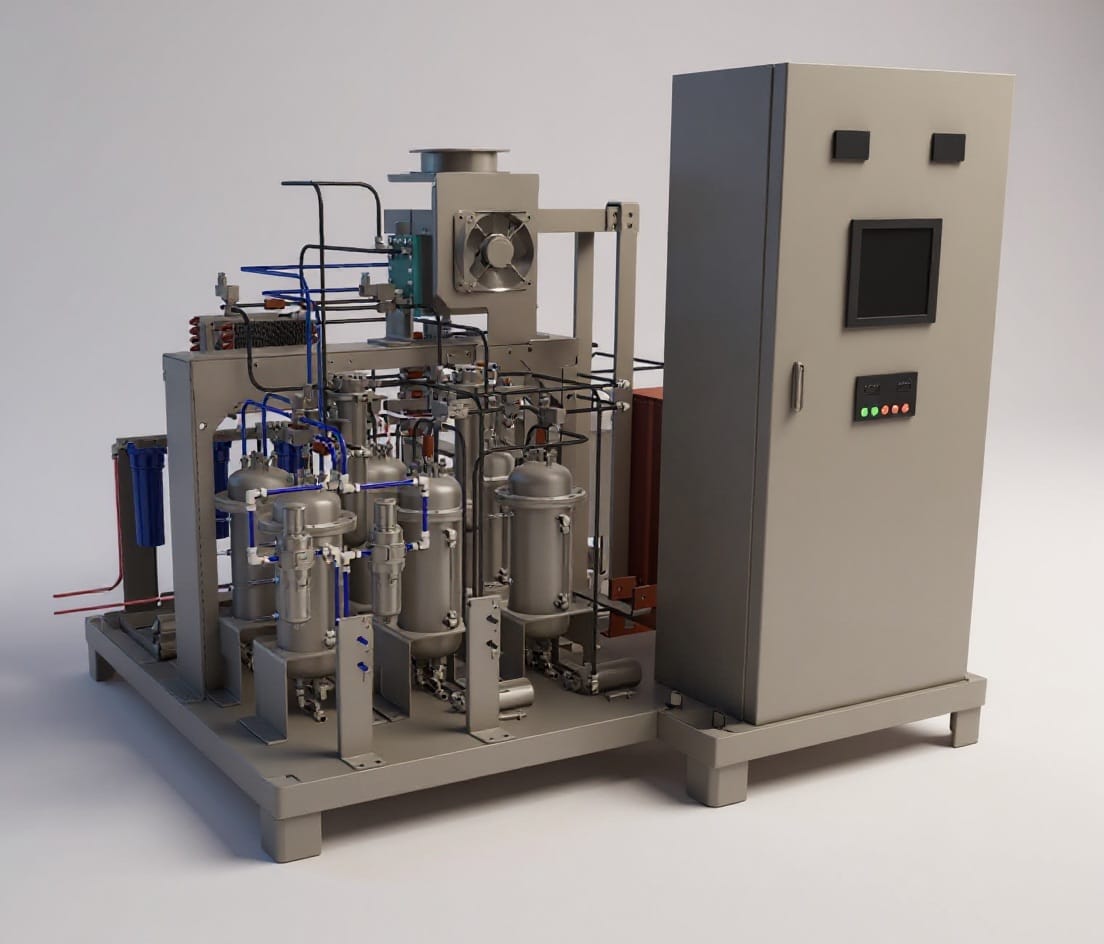
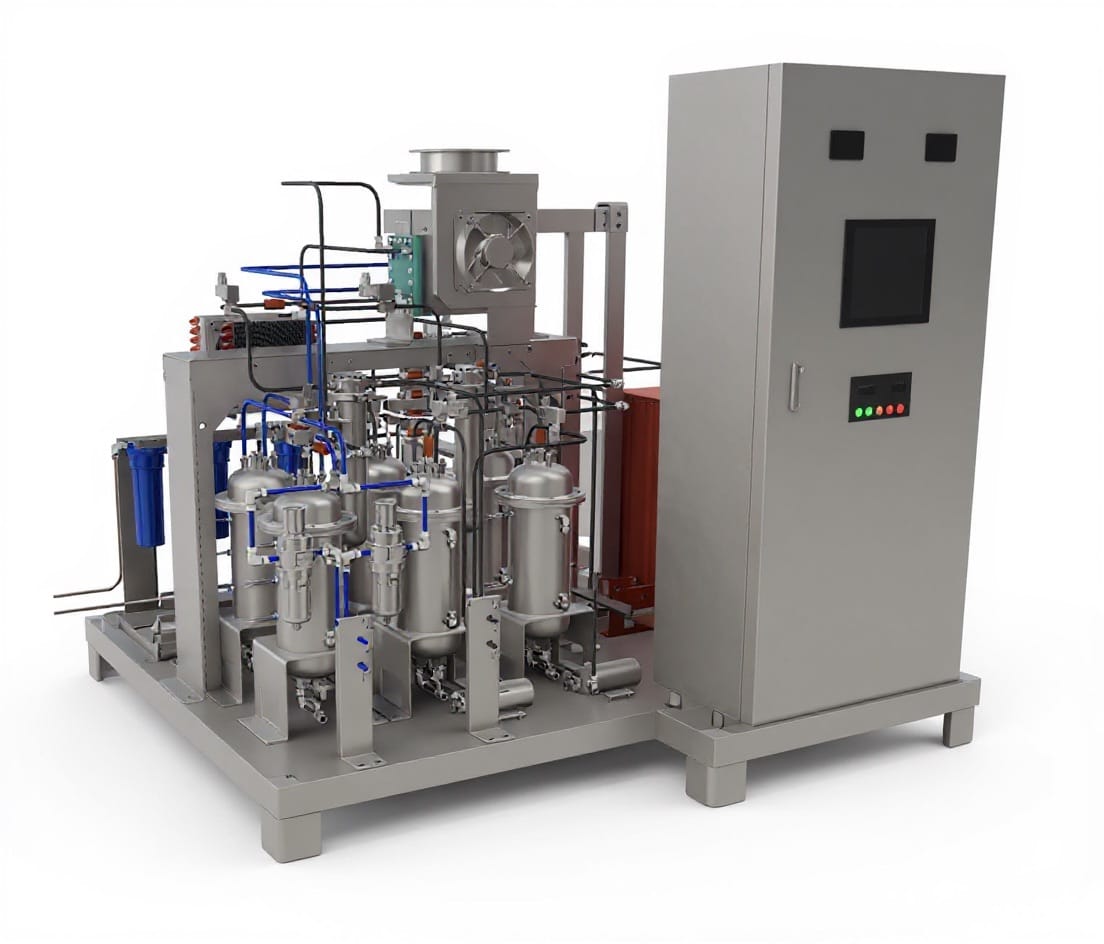
Early design phases, mood images, creative ideation
🏭 Backgrounds and environments: AI is very good at generating realistic production environments, factory halls or industrial scenes. You can then combine these with precise CGI products.
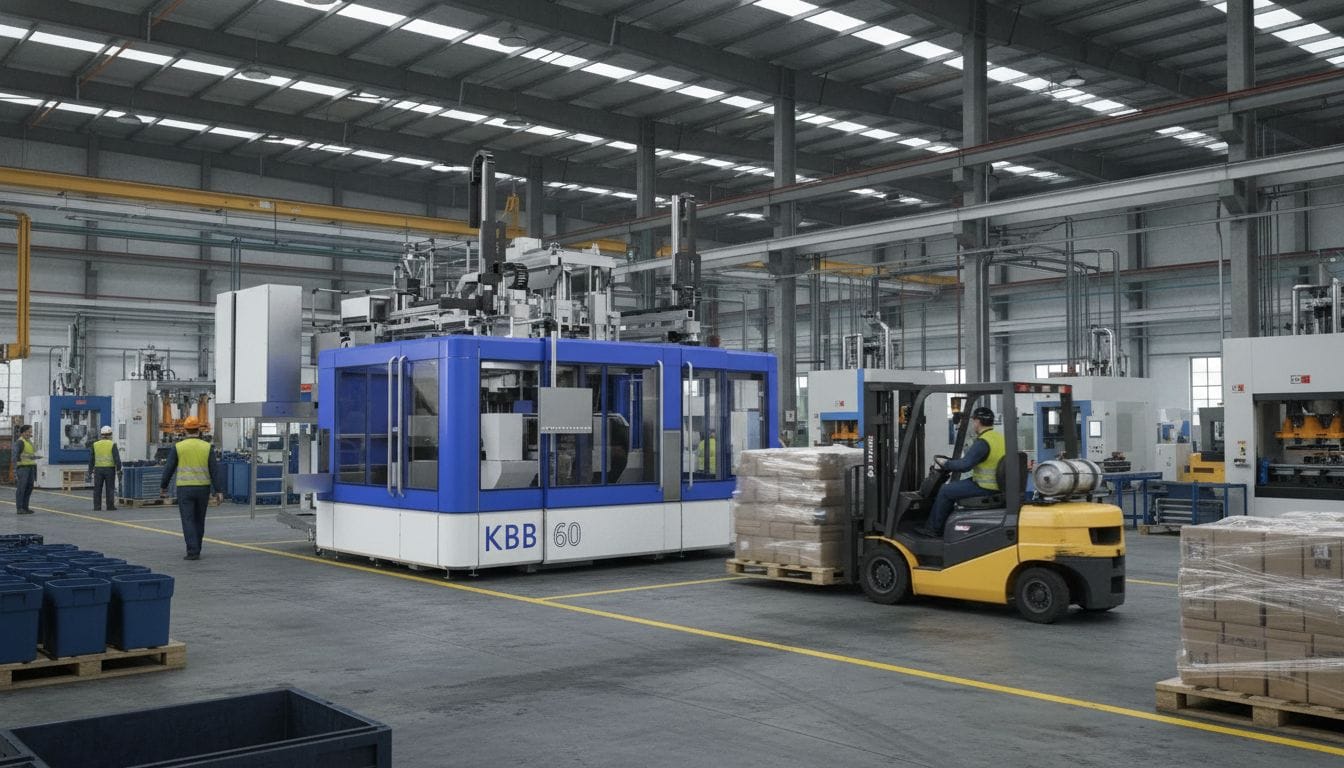
Google Veo 3: realistic production environments, factory halls or industrial scenes, also as videos
🎨 Variations and iterations: Ten different color variants? Different lighting moods? AI makes this trivial. For fast A/B tests or creative exploration, this is very valuable.
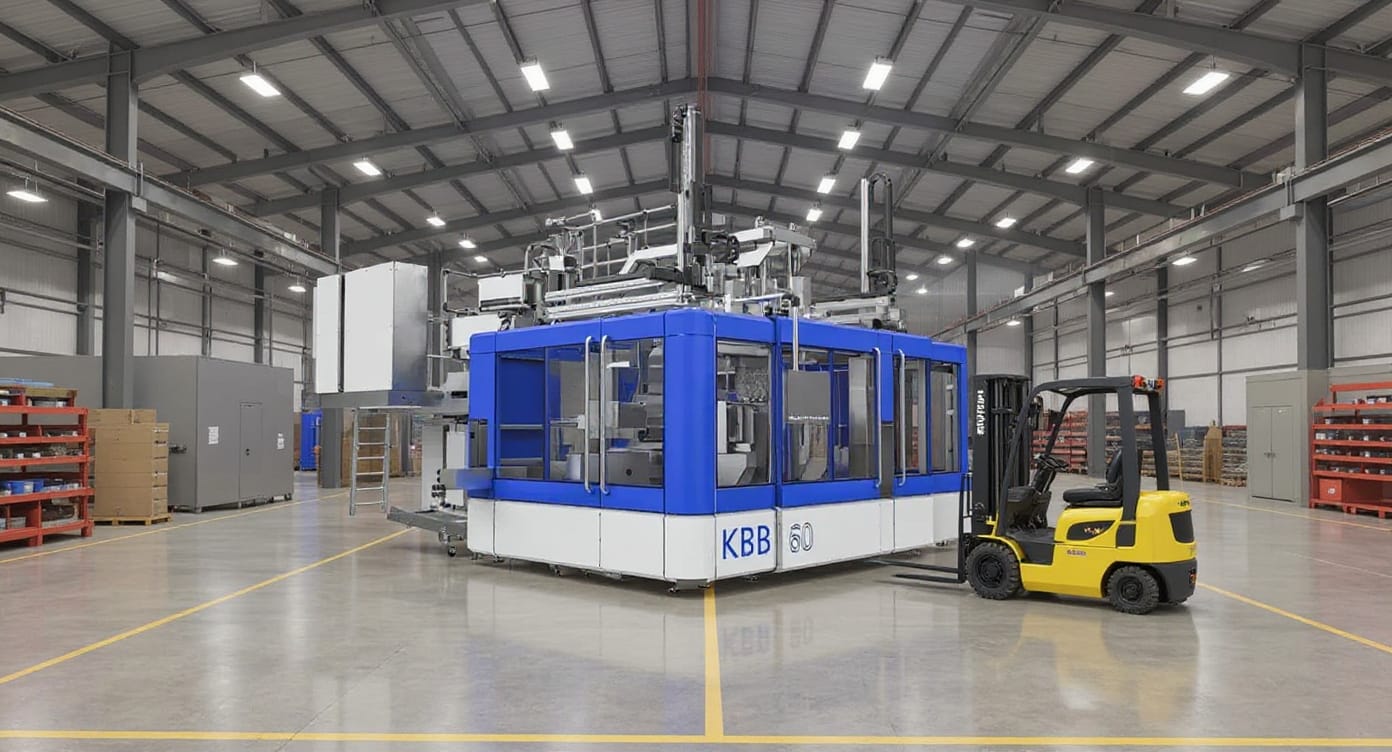
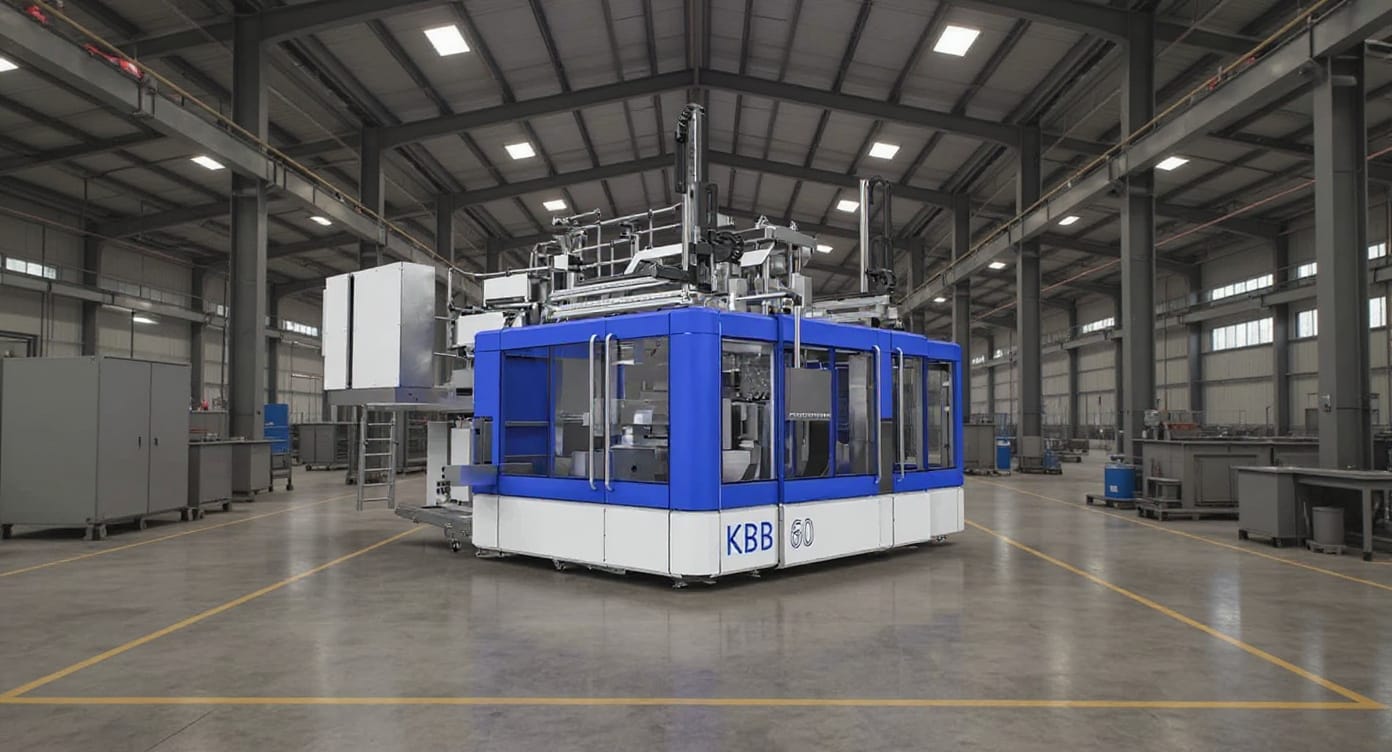
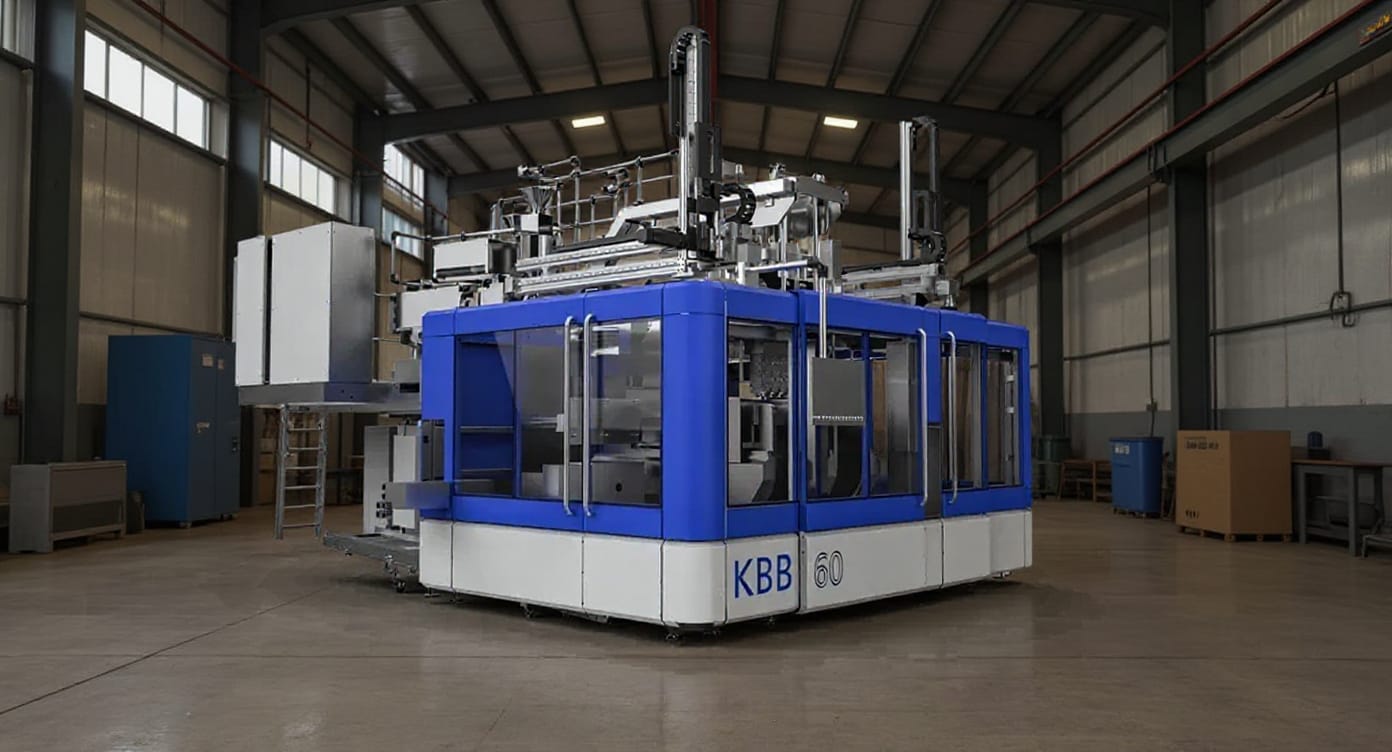
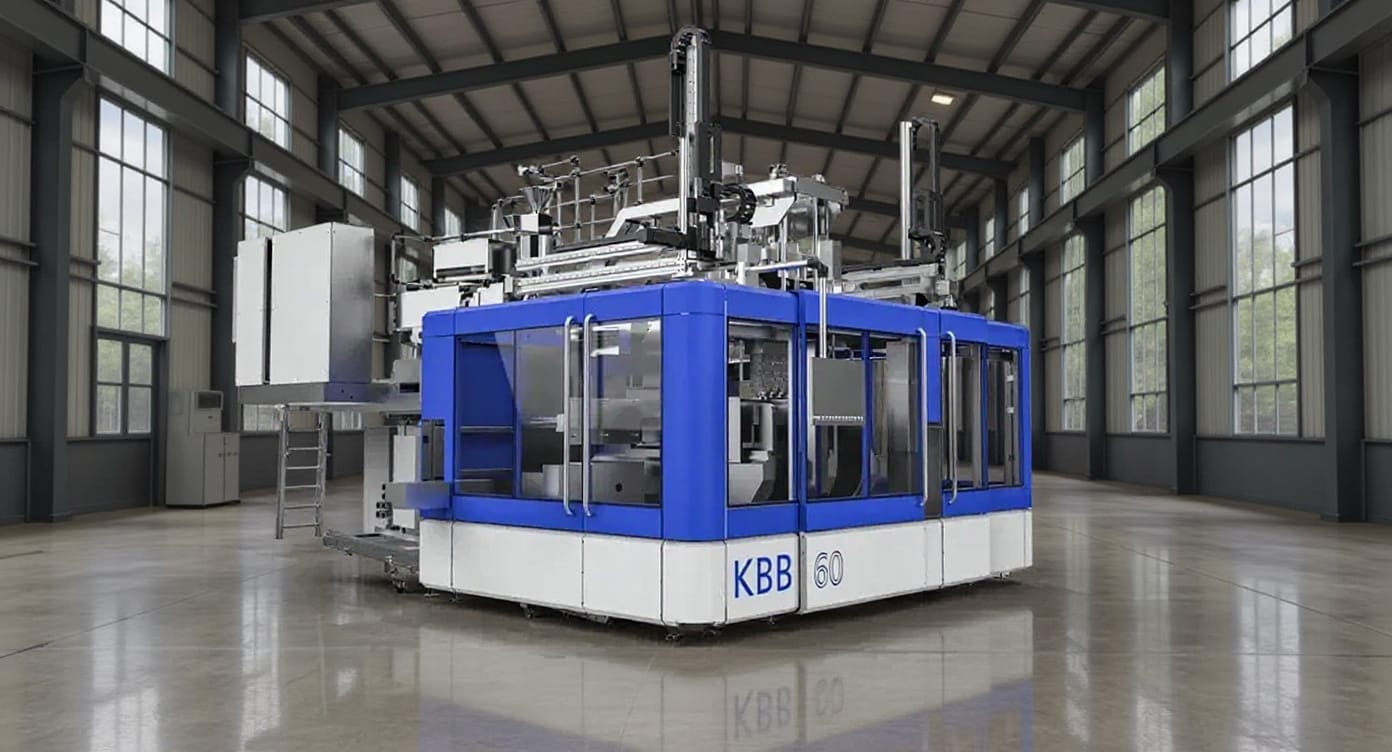
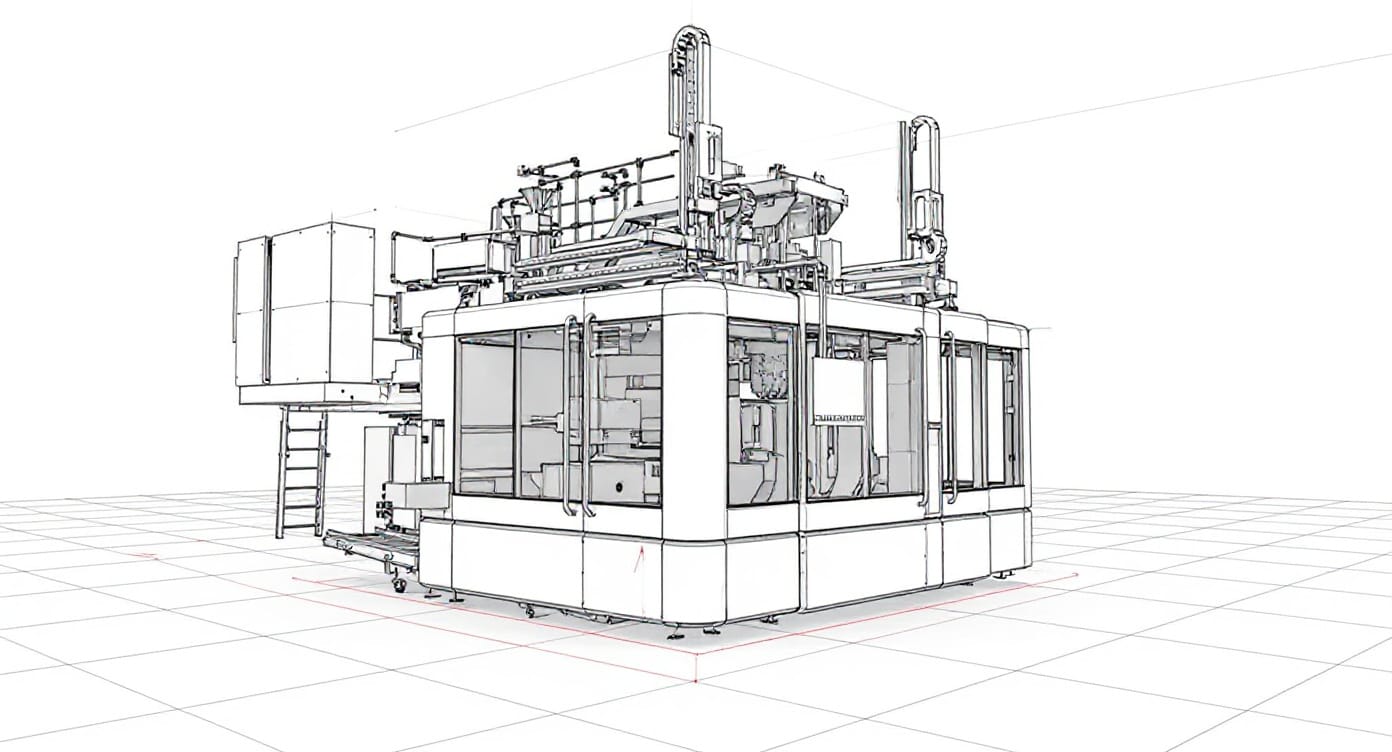
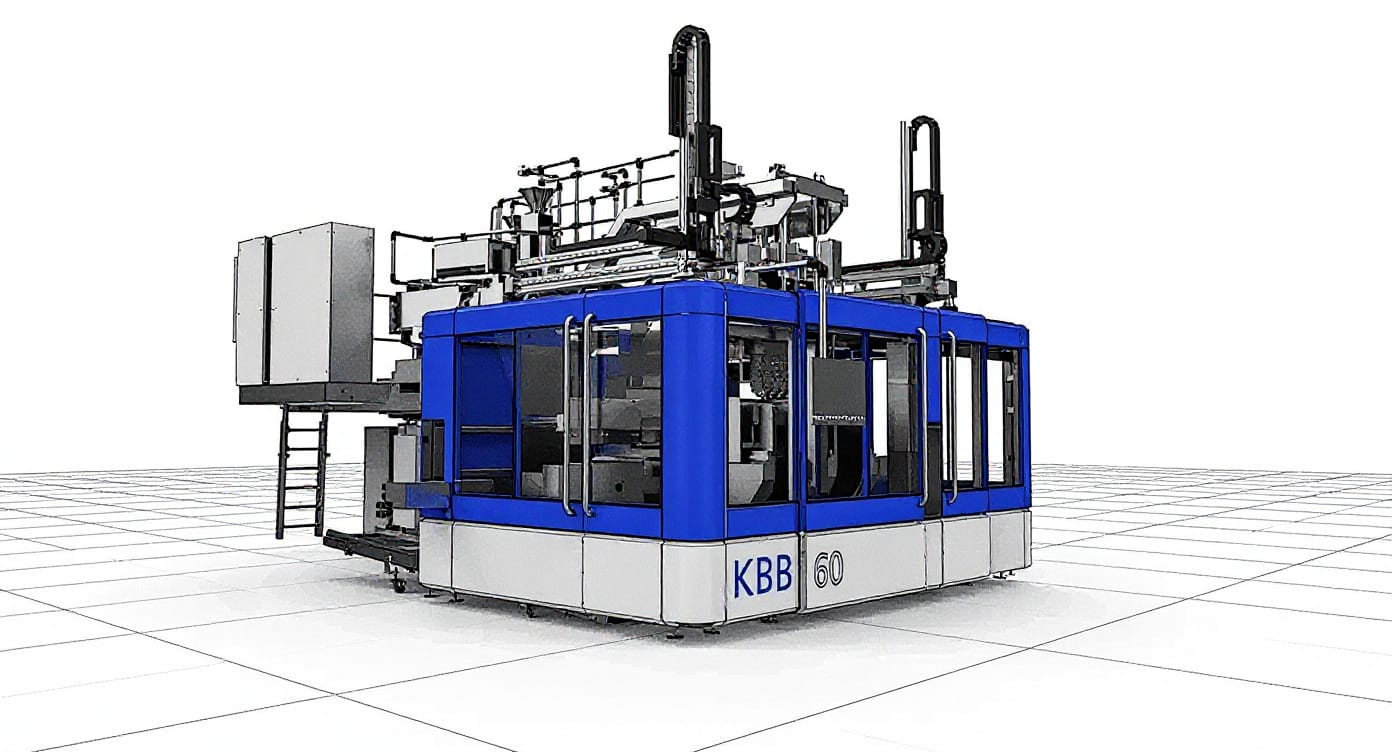
Fast A/B tests or creative exploration
The technology is impressive, and it is fully sufficient for many content requirements.
🎯 Where Professional CGI Renderings Stay Superior
But B2B mechanical engineering has requirements that go beyond impressive Instagram posts. Here, the fundamental limits of generative AI become visible:
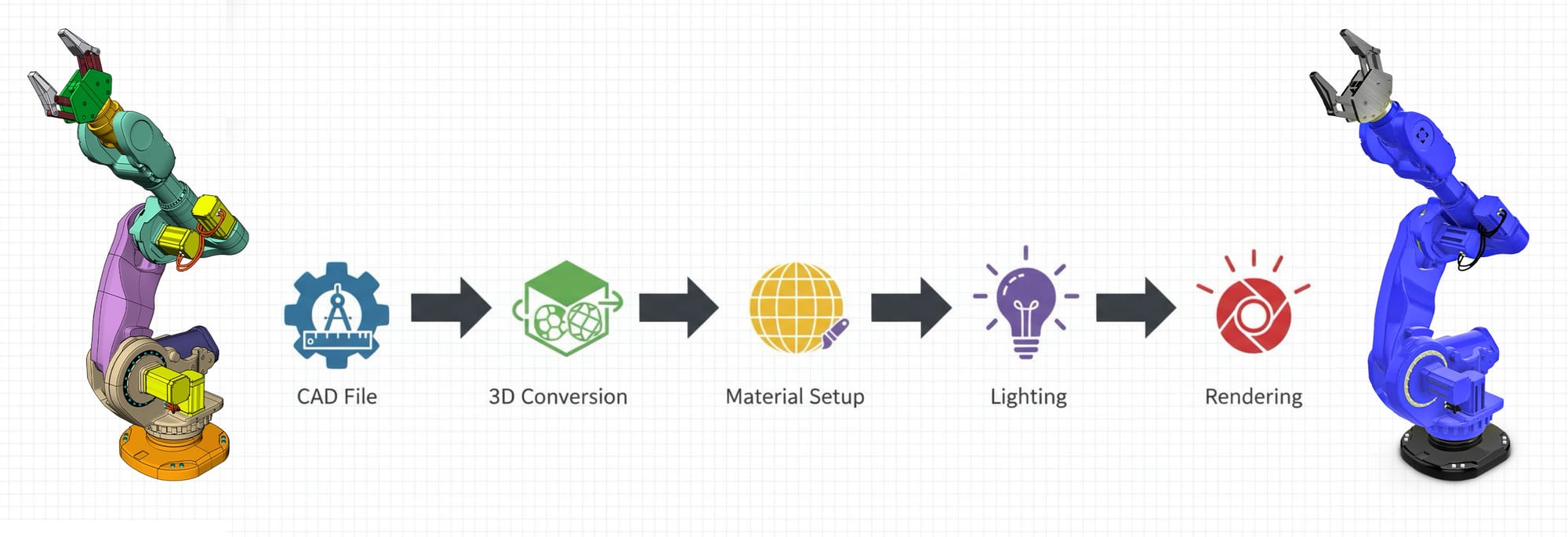
1. ⚙️ Technical Precision and CAD Conformity
Your catalogs, sales documents and technical documentation must be absolutely correct. Each screw, each angle and each dimension must match reality.
AI-generated images are based on statistical patterns from training data. They "hallucinate" details that look plausible, but are not necessarily correct. An additional lever here, a slightly different geometry there: to the human eye, it looks right. But for an engineer who makes a purchase decision based on this visualization? Unacceptable.
Professional CGI renderings are based directly on CAD data. What you see is exactly what is produced. This technical precision is not negotiable when customers buy machines that cost six figures.
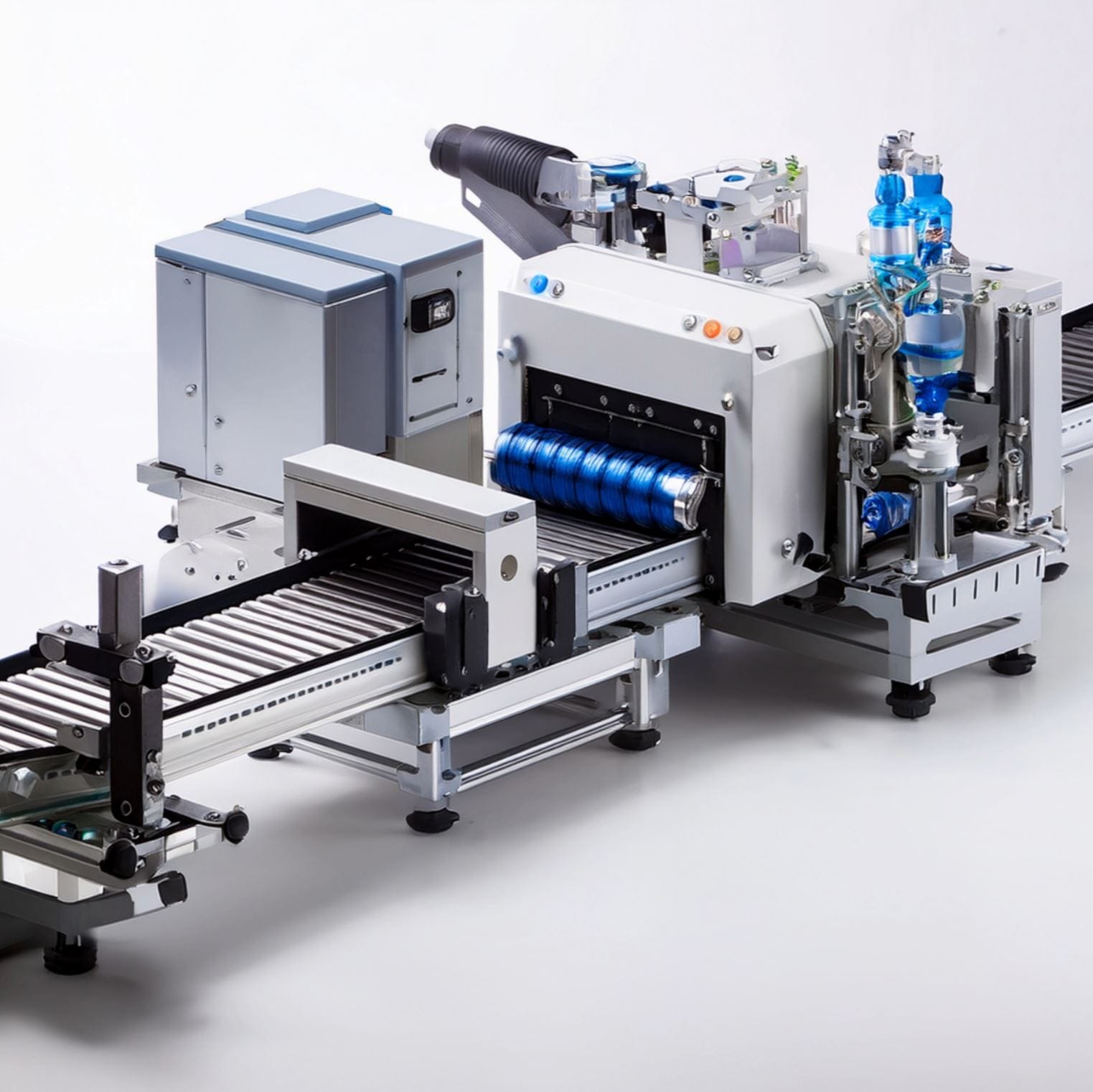
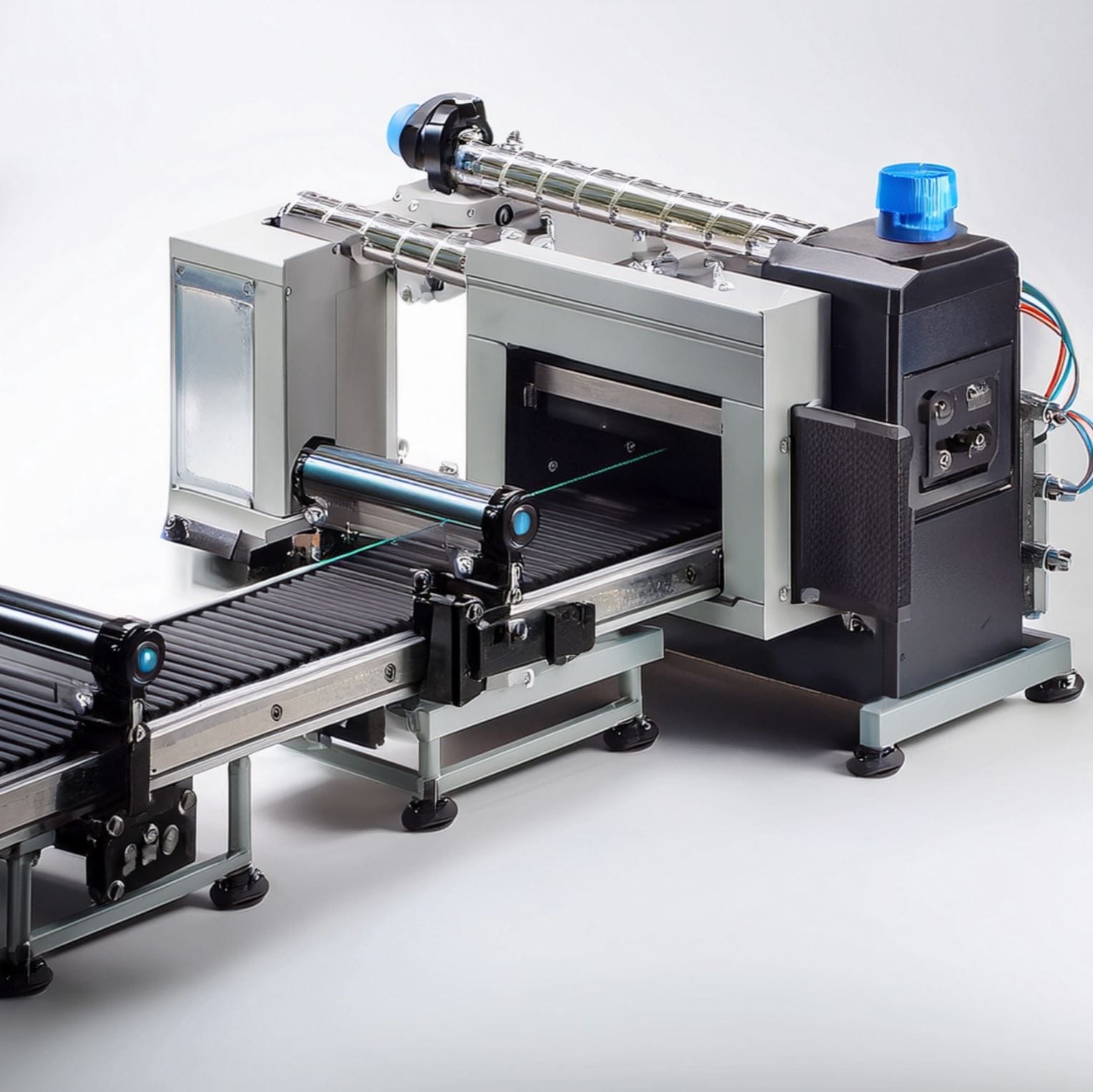
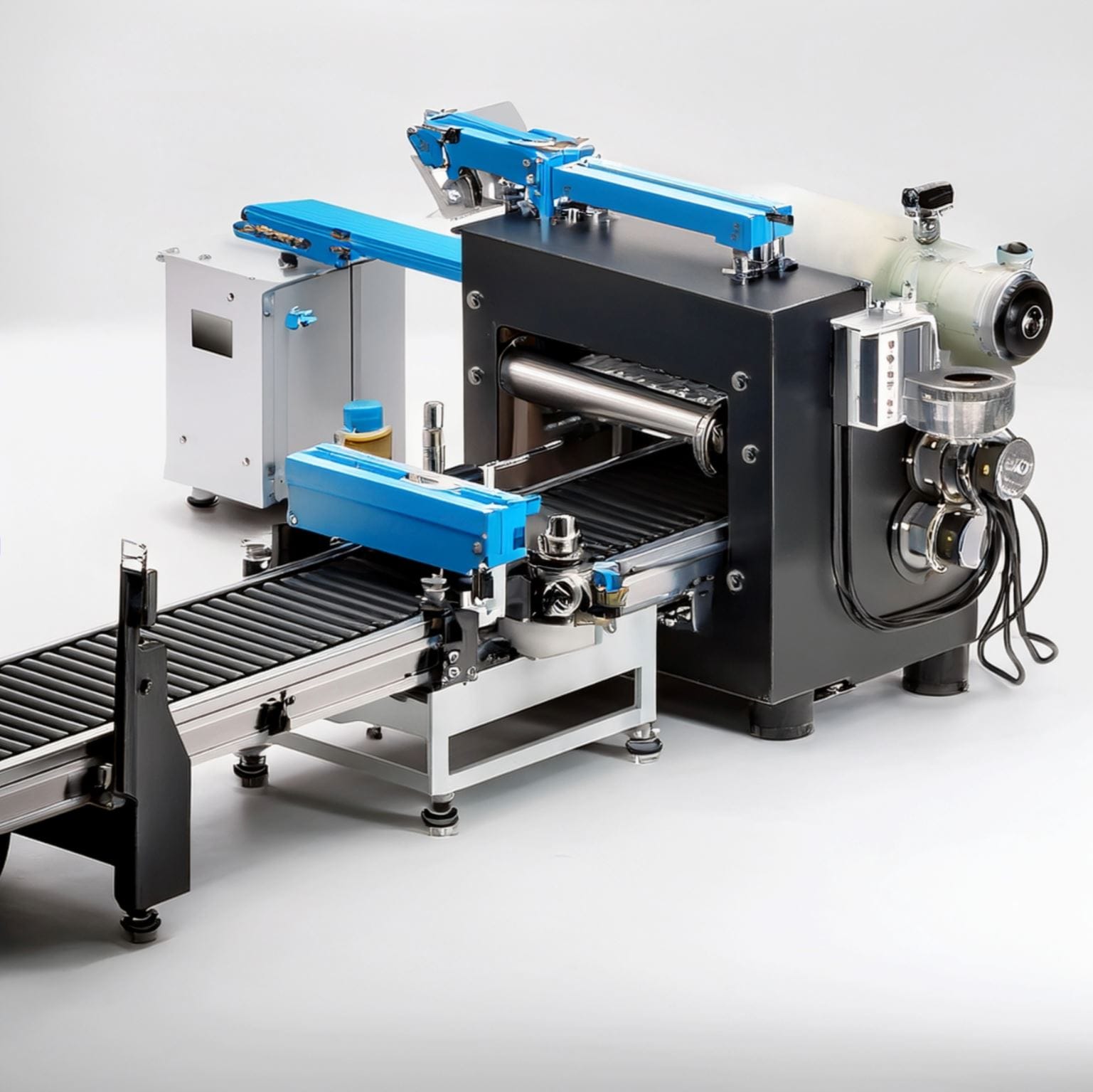
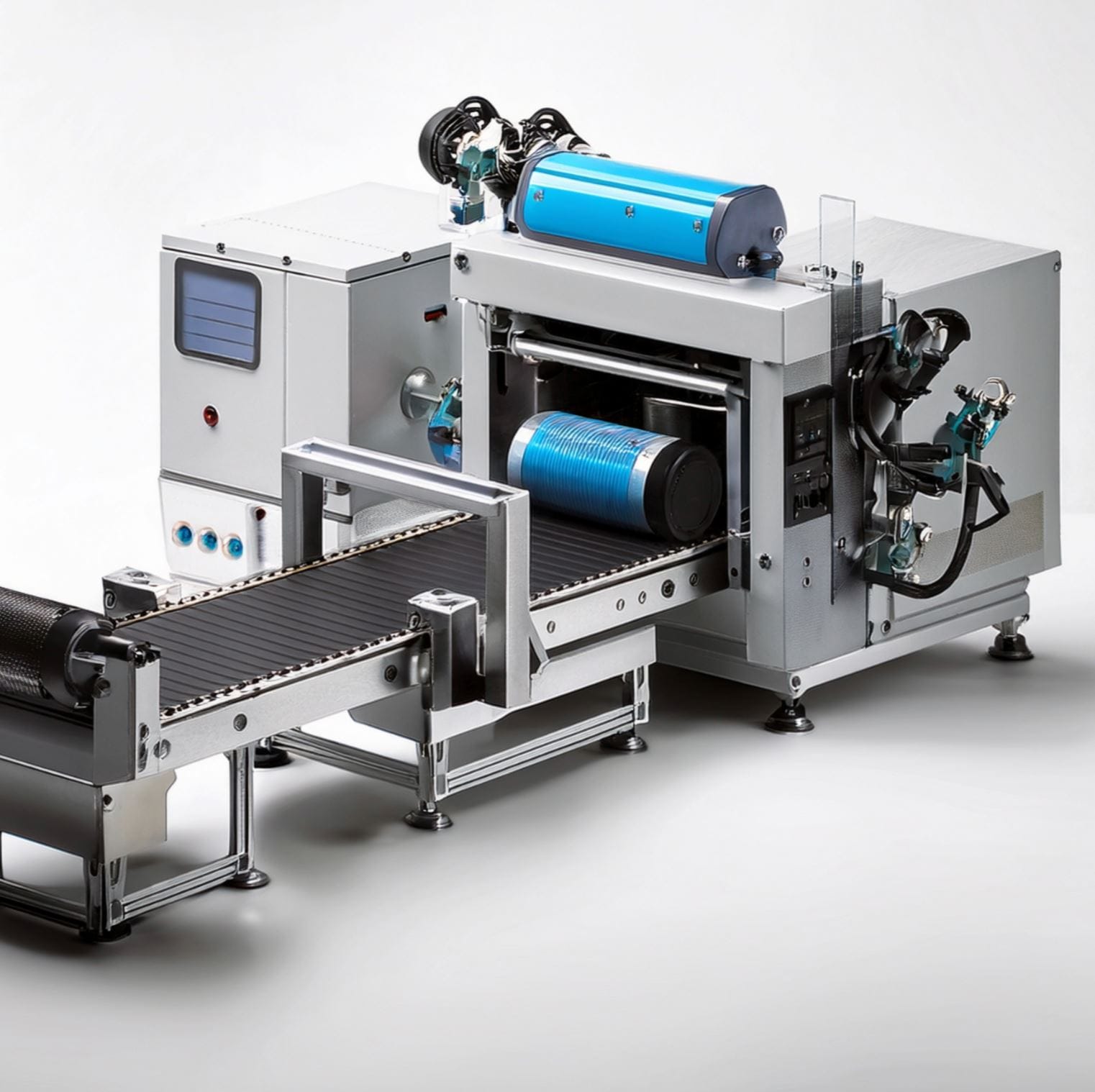
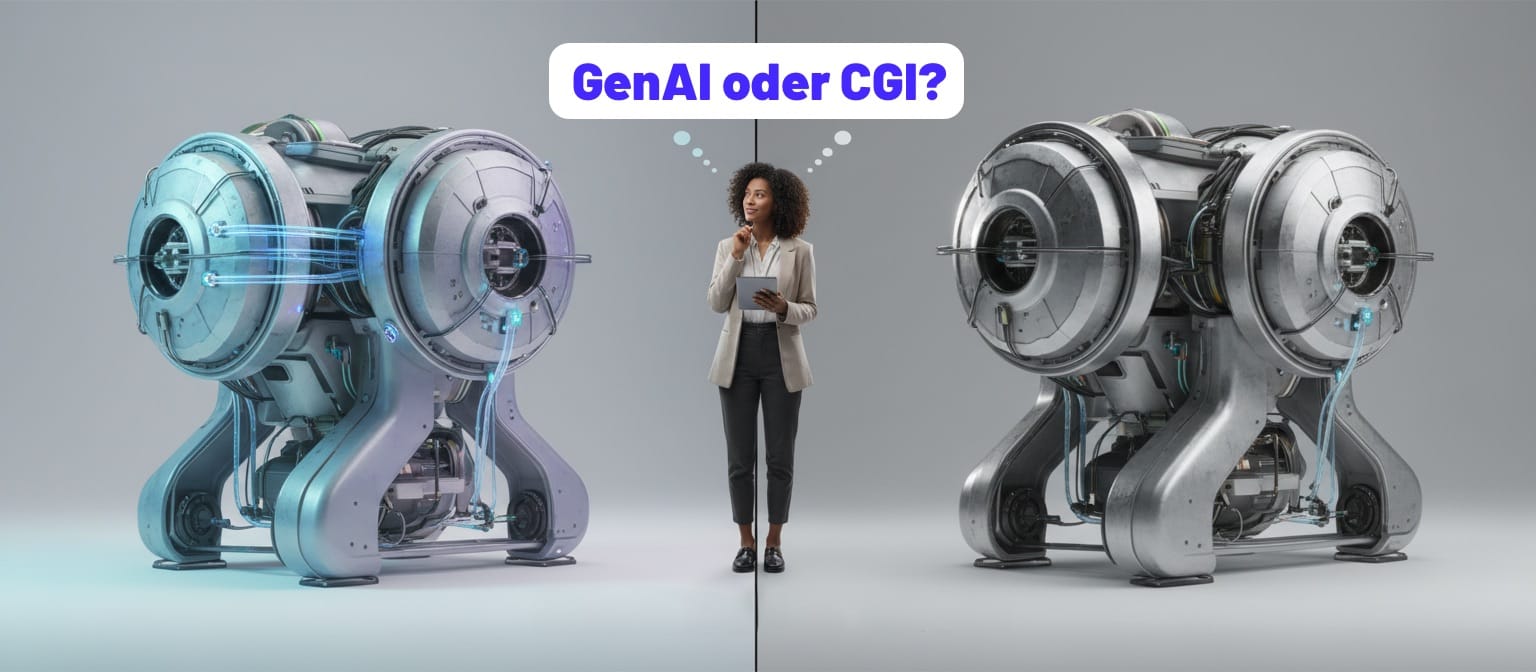
AI "hallucinates" details that look plausible, but are not correct
2. 🎨 Brand Consistency Across Hundreds of Products
Your corporate design defines exact RAL or Pantone colors. Your brand presence requires consistent lighting, perspectives and styling across your full portfolio.
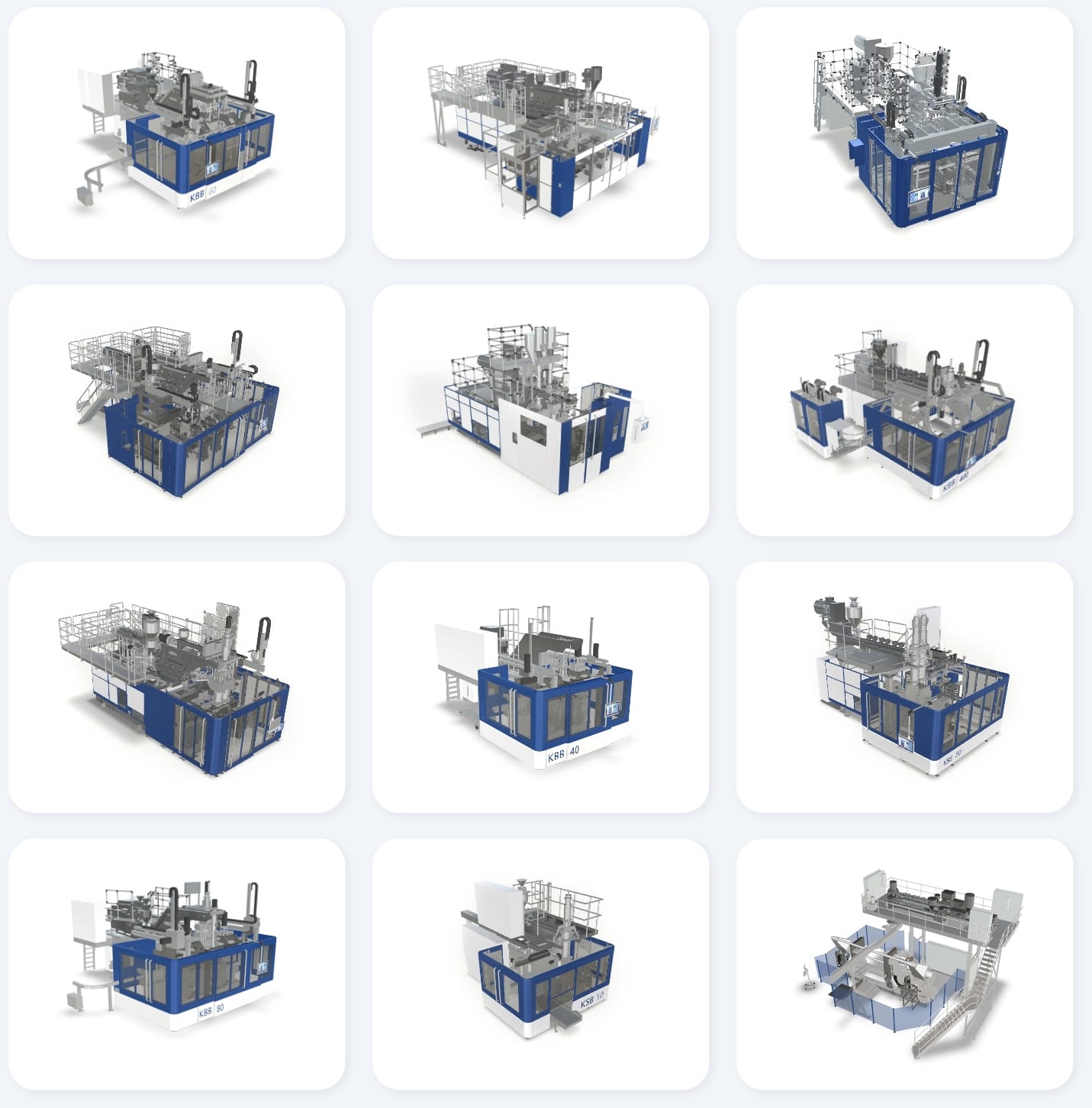
AI generates each image from the start, and each time it is slightly different. Try to create fifty machine visualizations with Nano Banana or Veo 3.1 that all have exactly the same lighting, the same brand colors and the same visual style. The result: each image is unique. For an Instagram post, this is no problem. For a product catalog? A nightmare.
Professional 3D production works with master setups: you define the lighting scenarios, materials and camera settings once. Then you apply them to as many products as you need. The result: perfect consistency across your full portfolio.
3. 🎛️ Control Over Every Detail
In product communication, you must highlight specific features. This safety mechanism. That innovative detail. The new control unit.
With AI, you describe what you want and hope that the result fits. Sometimes it works on the first try. Often it takes dozens of iterations. And sometimes you simply do not get the result that you want, no matter how precise your prompt is.
With professional CGI renderings, you control every pixel. A camera angle of exactly 23 degrees? No problem. A spotlight on this specific component? You can do it immediately. Labels with technical call-outs? A standard workflow.
4. 📈 Reproducibility and Scalability
You launch a new product line: 50 machine variants, each from three perspectives, in consistent quality. Deadline: four weeks.
With AI? You generate thousands of images, select the best ones, try to get consistency, partly fail and start again. It is like photo production: each image is a separate project.
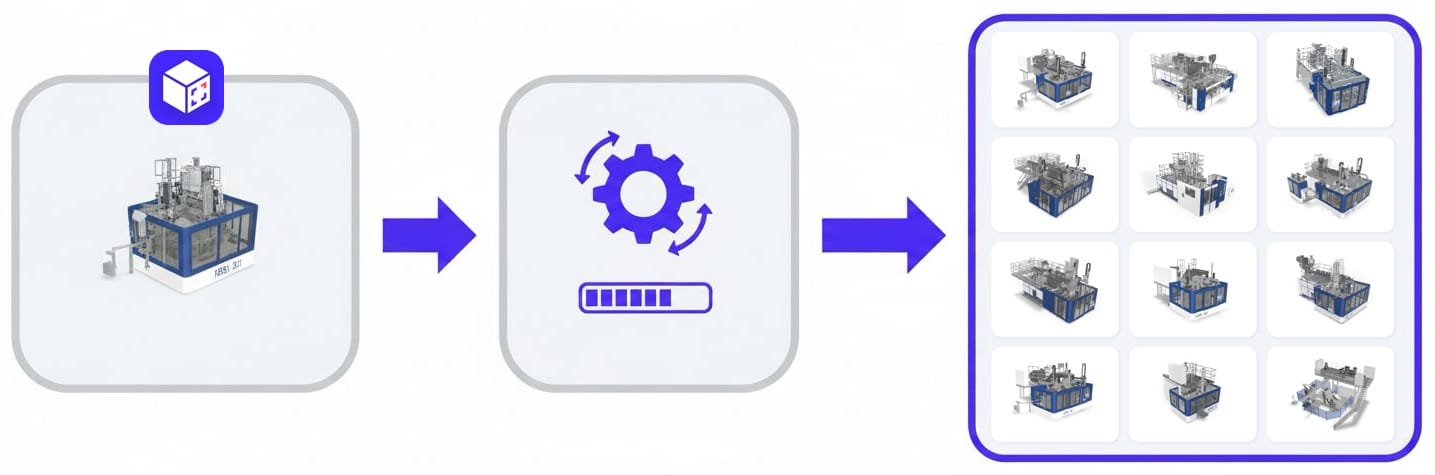
With automated CGI workflows, such as the ones Vuframe uses with the 3D Werkbank, this is a batch process. CAD data goes in, consistent renderings come out. Scalable, repeatable, controllable. The system automatically generates all necessary views from one CAD data set. And all of them look as if the same professional photographer took them.
5. 🔒 Rights, Licensing and IP Protection
Your CAD data is confidential. Your product designs are intellectual property. Competitors would like to have them.
Many AI services reserve the right to use uploaded content for model training. Your confidential product data could become part of the next training data set. For machine builders with patents and trade secrets, this is a no-go.
GDPR-compliant German servers, NDAs, and VF3D models that cannot be reverse-engineered. Your IP stays protected.
Professional 3D service providers work with NDAs, GDPR-compliant German servers and guaranteed IP protection. Your data stays your data. At Vuframe, we even optimize the final 3D models so that nobody can reverse-engineer them. This gives your know-how additional protection.
6. 🔄 Iteration Based on Precise Feedback
The head of sales wants the safety handle 3 cm to the left. Marketing needs a larger logo. The product manager wants the new control unit to be more visible.
With AI, this means: write a new prompt, generate again, hope. Often other parts of the image change completely as "collateral damage".
With professional CGI: you move the handle 3 cm to the left. That is it. A targeted feedback loop instead of trial and error.
7. 🔗 Integration with CAD Workflows
Your development department works in SolidWorks, Creo or Siemens NX. Product changes go into the CAD models continuously.
With AI, you would have to write new prompts or create reference images each time. And you could never be sure that the visualization shows the change correctly.
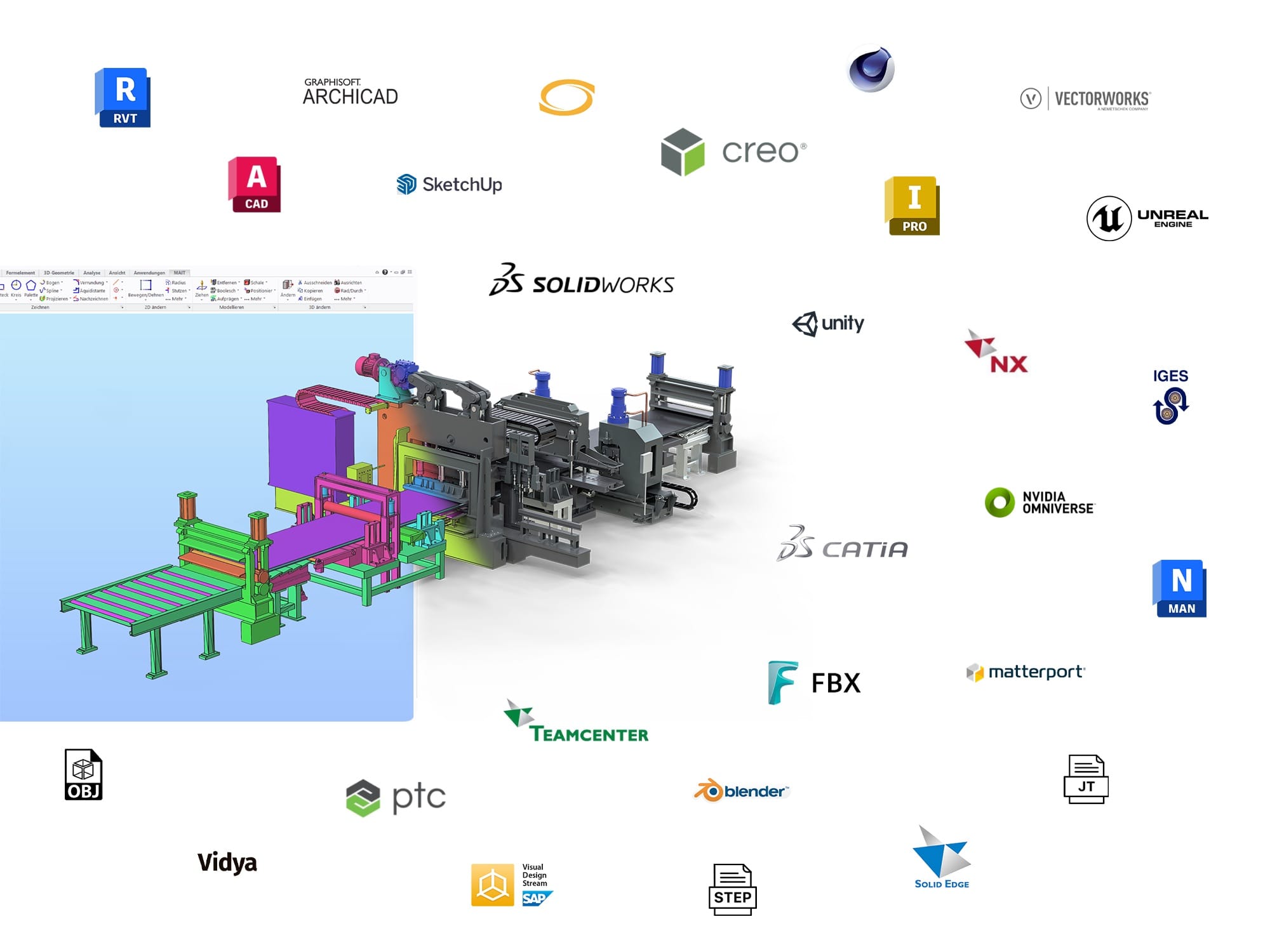
With CAD-to-3D pipelines, as modern rendering platforms use them, this is automated: you upload the updated CAD file, and the system generates updated visualizations. Directly from the engineering source, and guaranteed correct.
🤔 When to Use AI, When to Use CGI? The Right Application
The good news: you do not have to choose. Smart companies use both approaches where each one has its strengths.
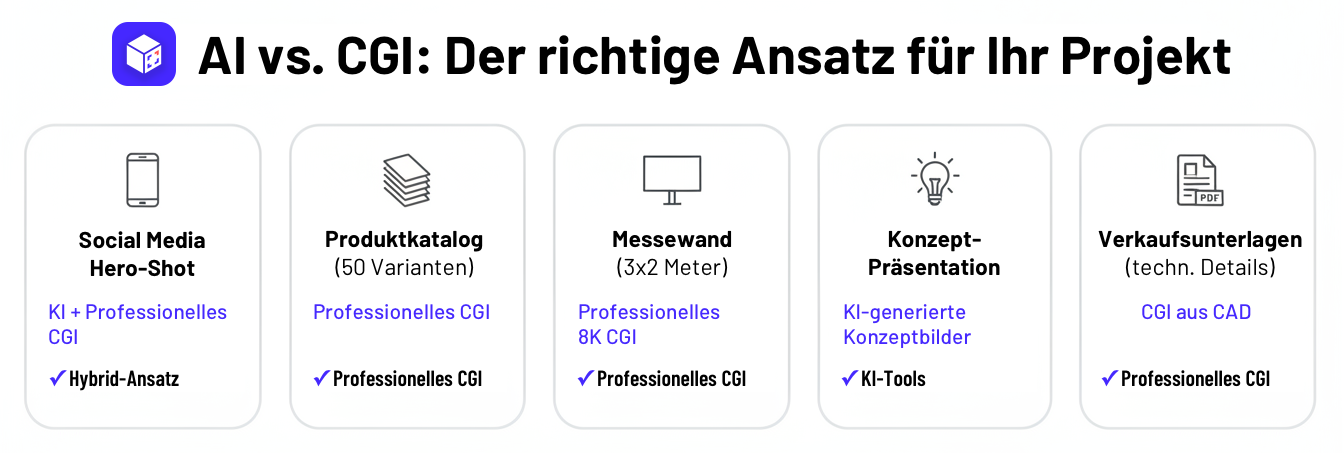
📱 Scenario 1: Social Media Hero Shot
- Requirement: An impressive LinkedIn post with your machine in a dramatic industrial environment
- Solution: AI generates the environment, and a professional CGI rendering of your machine is composited into it
- Advantage: Creative flexibility + technical correctness
- ✅ Recommendation: Hybrid approach
📚 Scenario 2: Product Catalog with 50 Variants
- Requirement: Consistent, print-ready product images for a printed catalog
- Solution: Professional CGI batch renderings
- Why: Consistency, print quality and brand conformity are critical
- ✅ Recommendation: Professional CGI
🏢 Scenario 3: Trade Show Wall with Key Products
- Requirement: Wall-sized prints (3x2 meters) with exact color reproduction
- Solution: Professional 8K CGI renderings
- Why: Resolution, color accuracy, no tolerance for "almost right"
- ✅ Recommendation: Professional CGI
💡 Scenario 4: Concept Presentation for a New Product Line
- Requirement: Fast visualization of design concepts for an internal review
- Solution: AI-generated concept images
- Why: In this phase, speed is more important than precision
- ✅ Recommendation: AI tools
📄 Scenario 5: Sales Documents with Technical Details
- Requirement: A PDF brochure with labeled technical views
- Solution: CGI renderings directly from CAD, with technical call-outs
- Why: Technical correctness is absolutely critical, and labels must be placed precisely
- ✅ Recommendation: Professional CGI
🚫 Busting the Myths
Myth 1:
"AI makes professional designers unnecessary"
✅ Reality: AI extends the designer's toolkit, but it does not replace precise work. Think of Photoshop: it democratized image editing, but it did not replace professional photographers. AI is the new Photoshop: a powerful tool, but not a replacement for expertise.
Myth 2:
"AI renderings are as good as professional ones"
✅ Reality: For Instagram stories? Yes. For B2B sales documents for deals that are worth six figures? No. The question is not "good enough", but "right for the purpose".
Myth 3:
"Professional renderings are too expensive"
✅ Reality: Vuframe offers professional renderings from €490 for three views, including approval for advertising use. These costs are at AI level, but with professional quality, control and reproducibility. Batch rendering makes scaling economical: the first three products may cost €1,500, the next 50 much less per item.
Vuframe: €490 for 3 professional renderings
✅ Approval for advertising use included
✅ One correction round included
✅ 8K resolution
✅ CAD-conformant precision
🏆 The Vuframe Approach: The Best of Both Worlds
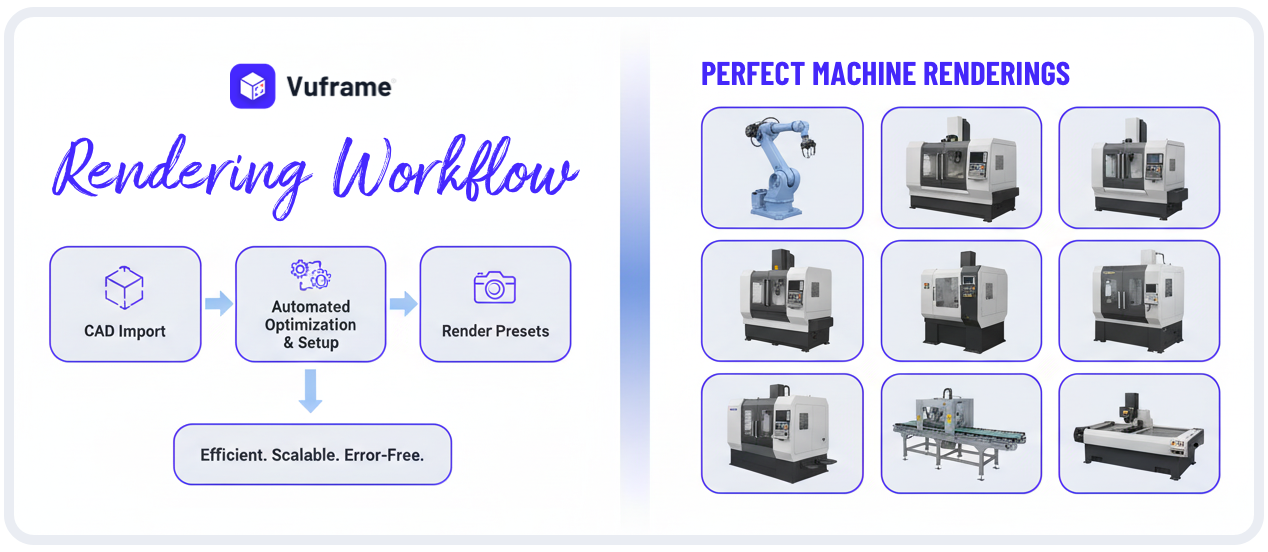
At Vuframe, we combine automated efficiency with professional control:
🔧 3D Werkbank
Automated CAD-to-3D conversion reduces costs by up to 90% compared to a traditional manual workflow, with guaranteed technical correctness.
📐 Directly from CAD Data
Your visualizations are always technically correct, because they come directly from the engineering sources.
📊 Batch Rendering
Scalable like AI (hundreds of variants at the push of a button), but with 100% control over quality and consistency.
🚀 Proprietary VF3D Technology
97.5% data compression without loss of quality means: very large machines run on any smartphone, with no cloud dependency.
✨ THE RESULT:
Speed and cost efficiency that can compete with AI, but with the precision, control and reproducibility that B2B mechanical engineering requires.
🎯 Conclusion: A Hybrid Future Instead of Either-Or
The AI revolution in visualization is real and impressive. Tools such as Google Veo 3.1 and Nano Banana extend the possibilities of content creation dramatically.
But B2B mechanical engineering has different rules than social media. What counts here is not only "looks good", but "is technically correct". Not only "created fast", but "consistently reproducible". Not only "creative", but "on brand".

The future does not belong to AI or to professional CGI. It belongs to the smart combination: AI for speed and creative exploration, professional CGI renderings for quality and technical precision.
Smart automation (as at Vuframe) gives you AI-like speed and cost efficiency, without a loss of the control and precision that your business needs.
Go deeper into the topic now...
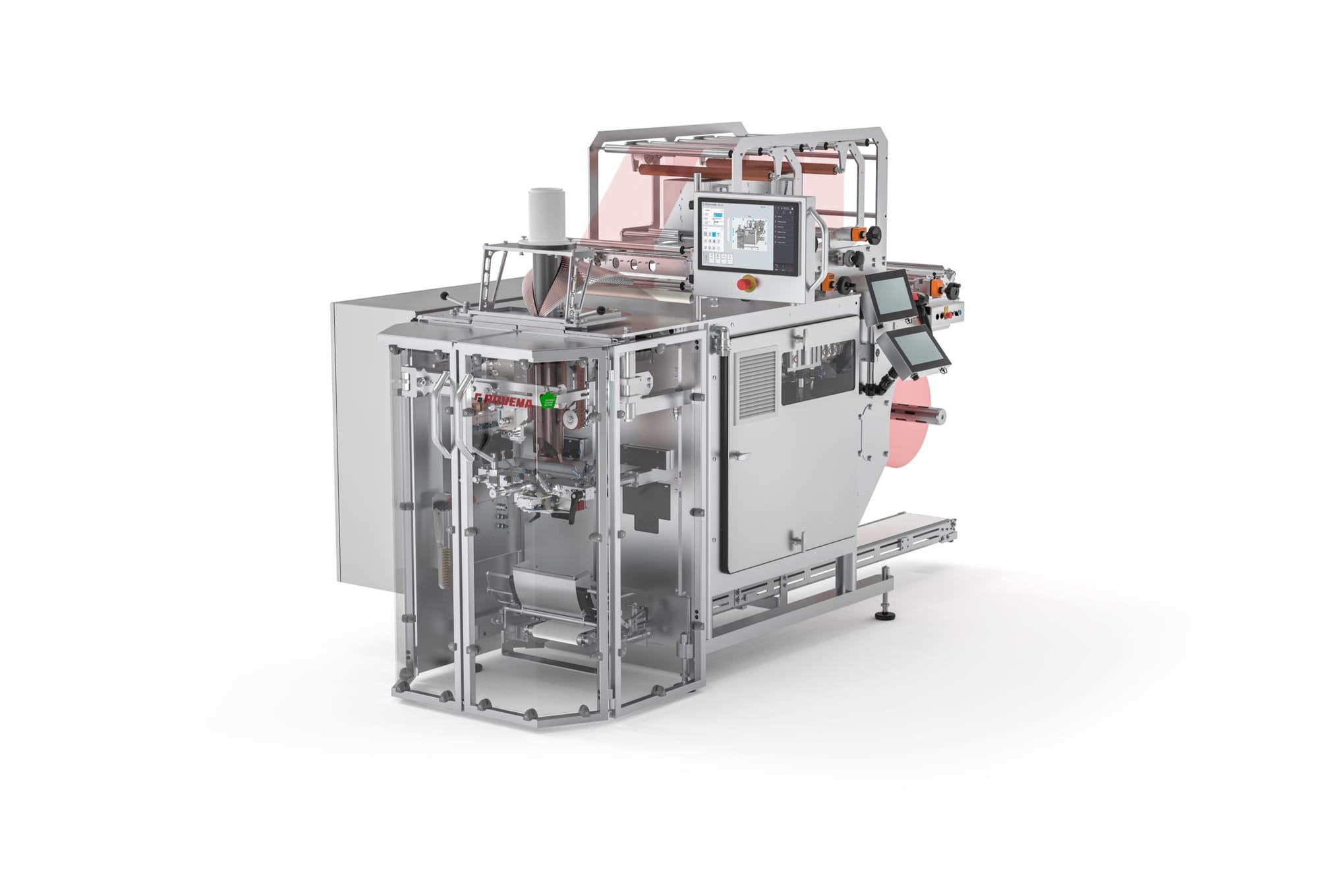
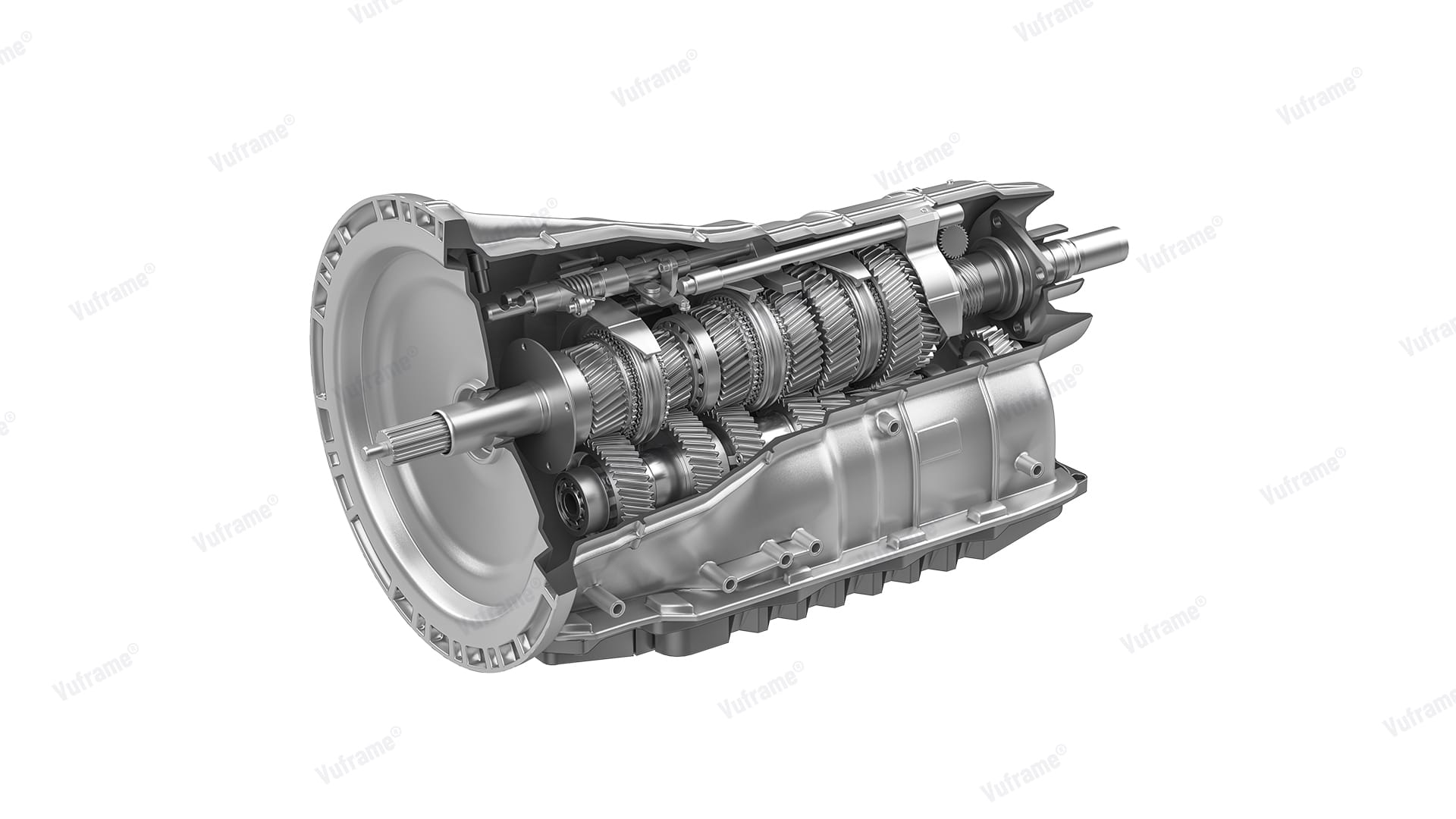
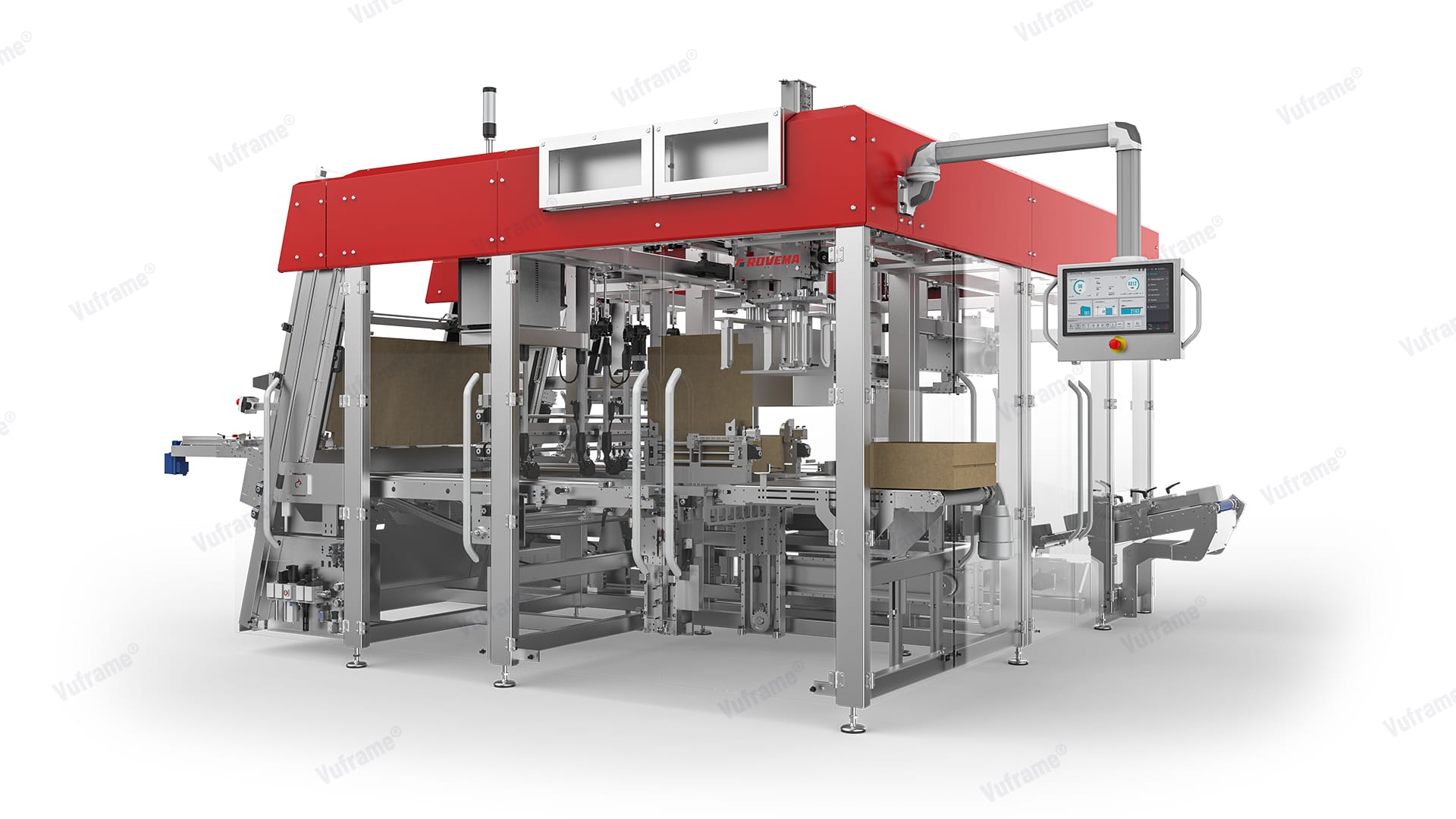
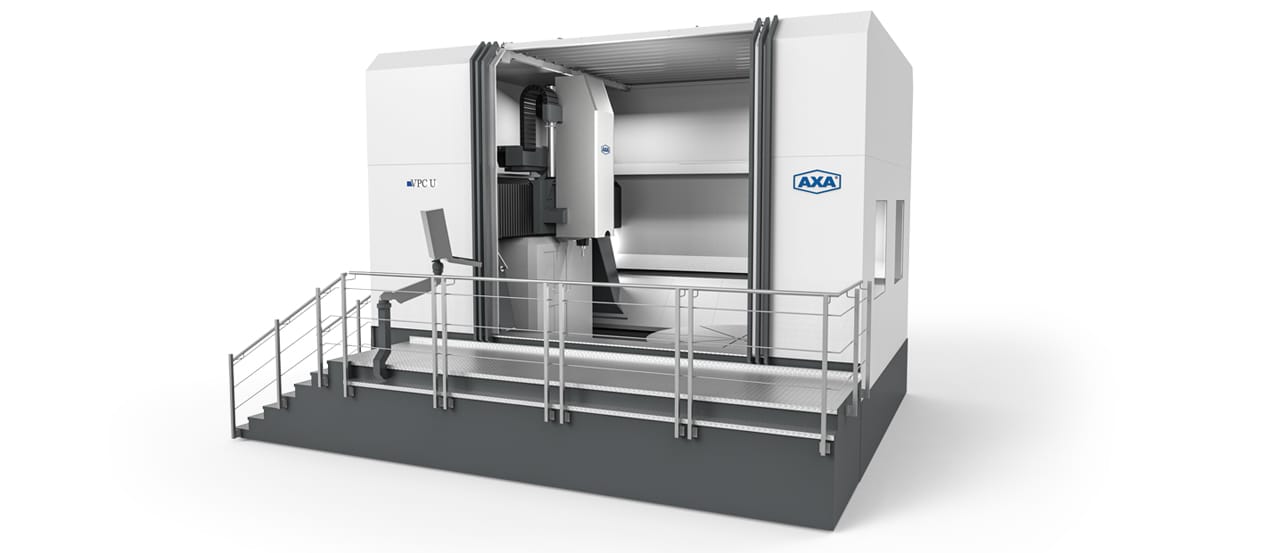
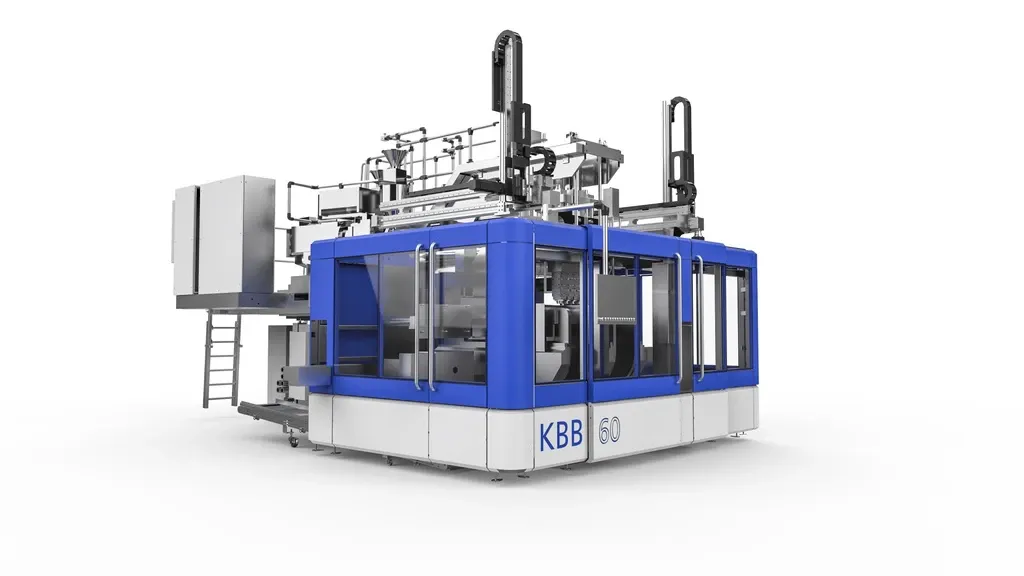
Examples of professional mechanical engineering renderings by Vuframe
🎨 Rendering Package from €490
Professional quality for up to 3 views, with no AI randomness. Perfect for catalogs, trade shows and sales documents. Approval for advertising use and one correction round are included.
🧪 Test It Yourself
Send us your CAD data for a free rendering sample. We show you the difference between AI-generated and professionally produced. You decide what your brand deserves.
Questions & Answers (FAQ)
Can AI such as Google Veo 3.1 or Nano Banana replace professional 3D renderings for mechanical engineering?
For social media and concept visualizations, yes. For technically precise sales documents, catalogs and trade show materials, no. AI-generated images are based on statistical patterns and can "hallucinate" details. Professional CGI renderings are created directly from CAD data and are technically exact.
What does professional CGI visualization cost compared to AI tools?
Professional renderings at Vuframe start from €490 for three views, including approval for advertising use. With batch production, the cost per item decreases significantly. Modern automated workflows reach AI-like cost efficiency with professional quality and control.
When should I use AI visualization, and when professional CGI renderings?
Use AI for fast social media content, concept visualizations and creative exploration. Use professional CGI for product catalogs, sales documents, trade show presences and all applications where technical precision, brand consistency and CAD conformity are critical.


