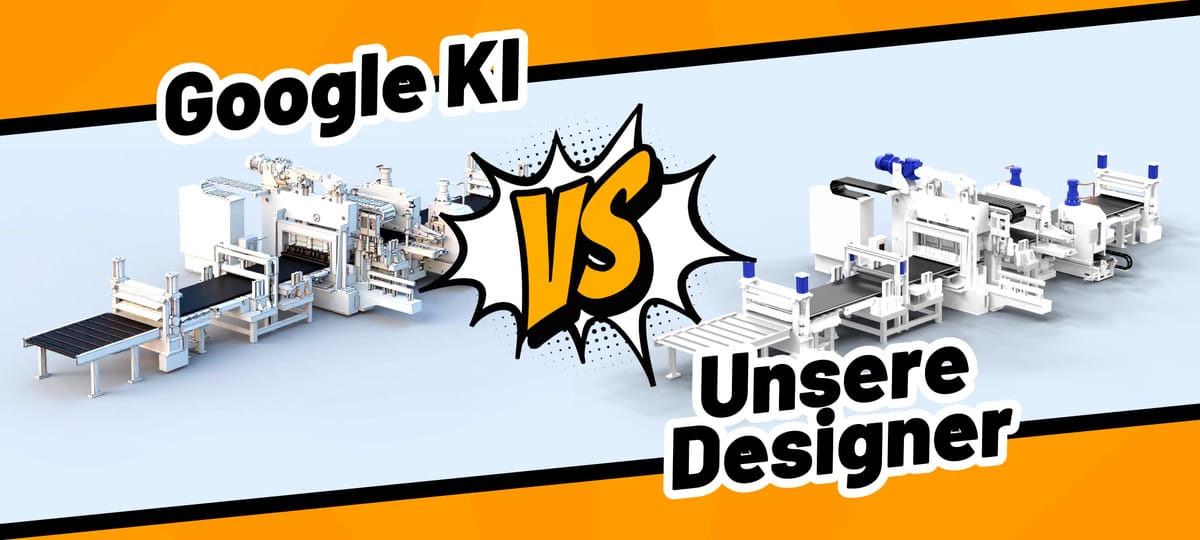

AI visualization tools such as Google Veo 3.1 and Nano Banana have revolutionized content creation. For mechanical engineering companies, this opens up a new world of fast, low-cost product visualization, if you know where these tools show their strengths.
The key question is not "AI or no AI", but "where does AI really make sense in mechanical engineering?". Here are five specific use cases in which AI visualization already convinces today.
1. 📱 Social Media Hero Shots
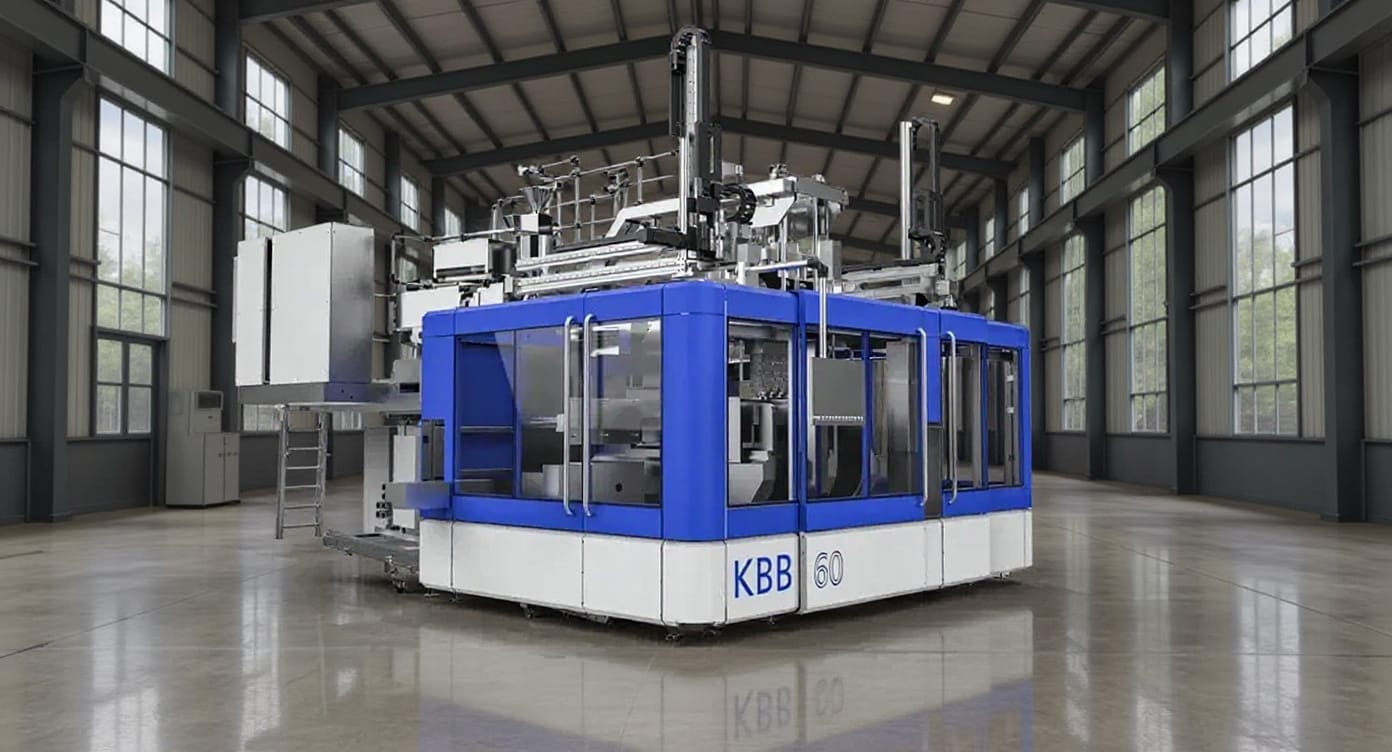
The use case: Your marketing team quickly needs an impressive LinkedIn post or Instagram story that shows your machine in a dramatic industrial environment.
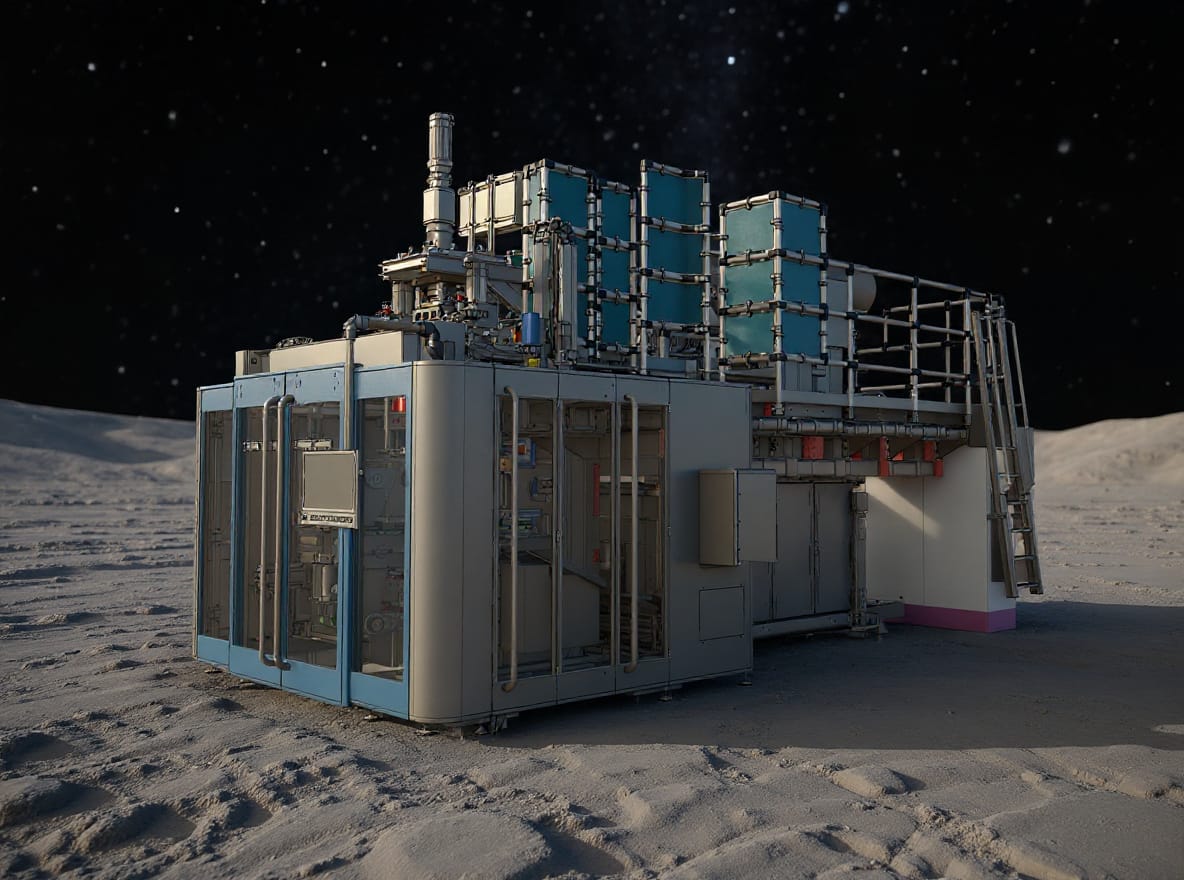
Why AI shines here:
- Speed: From idea to finished post in minutes instead of days
- Creative flexibility: Quickly try out different scenarios
- Cost efficiency: No complex production for organic social media posts
- Sufficient quality: For social media feeds, "impressive" is more important than "pixel-perfect"
Practical tip:
Combine AI-generated environments with professional renderings of your machines. This gives you creative flexibility and guaranteed technical correctness of your products.
2. 💡 Concept Visualizations in Early Design Phases
The use case: Your development team explores new design directions for a product line. You need quick mood images to evaluate different approaches internally.
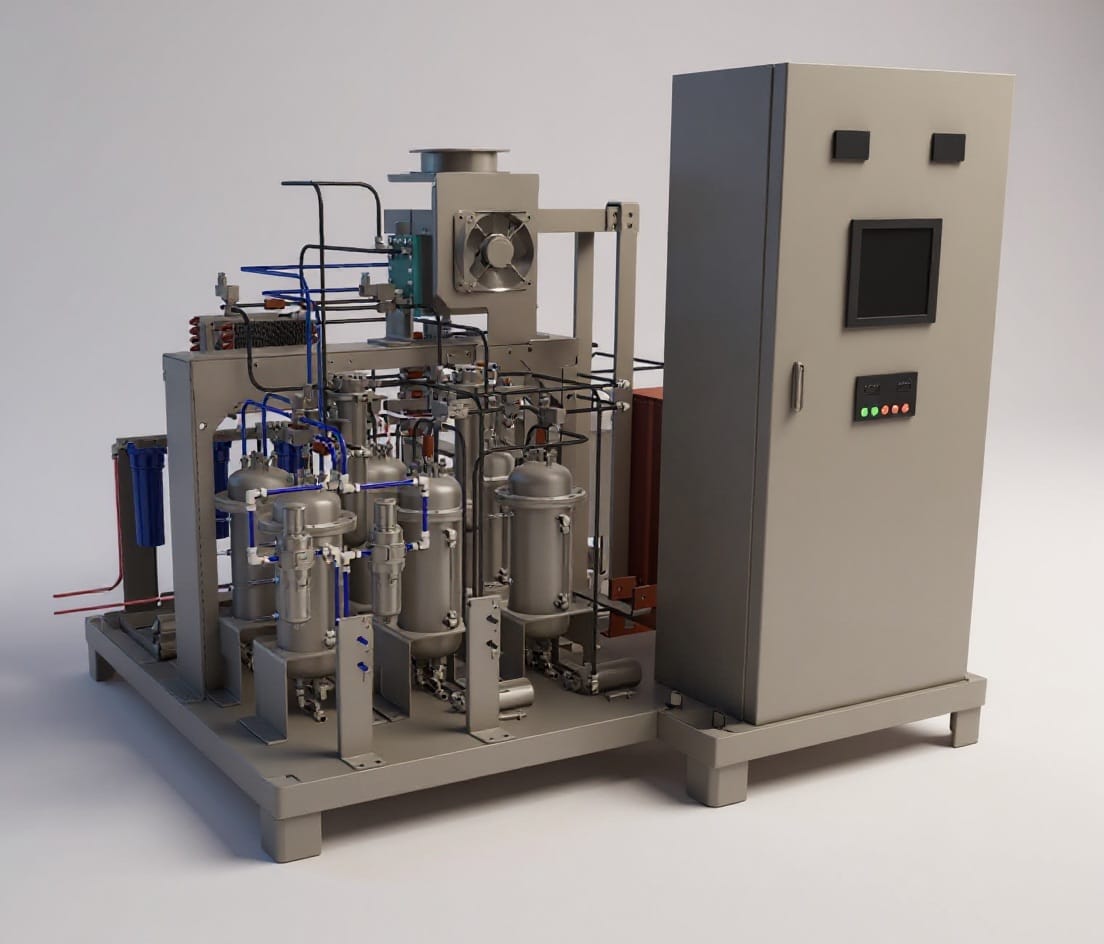
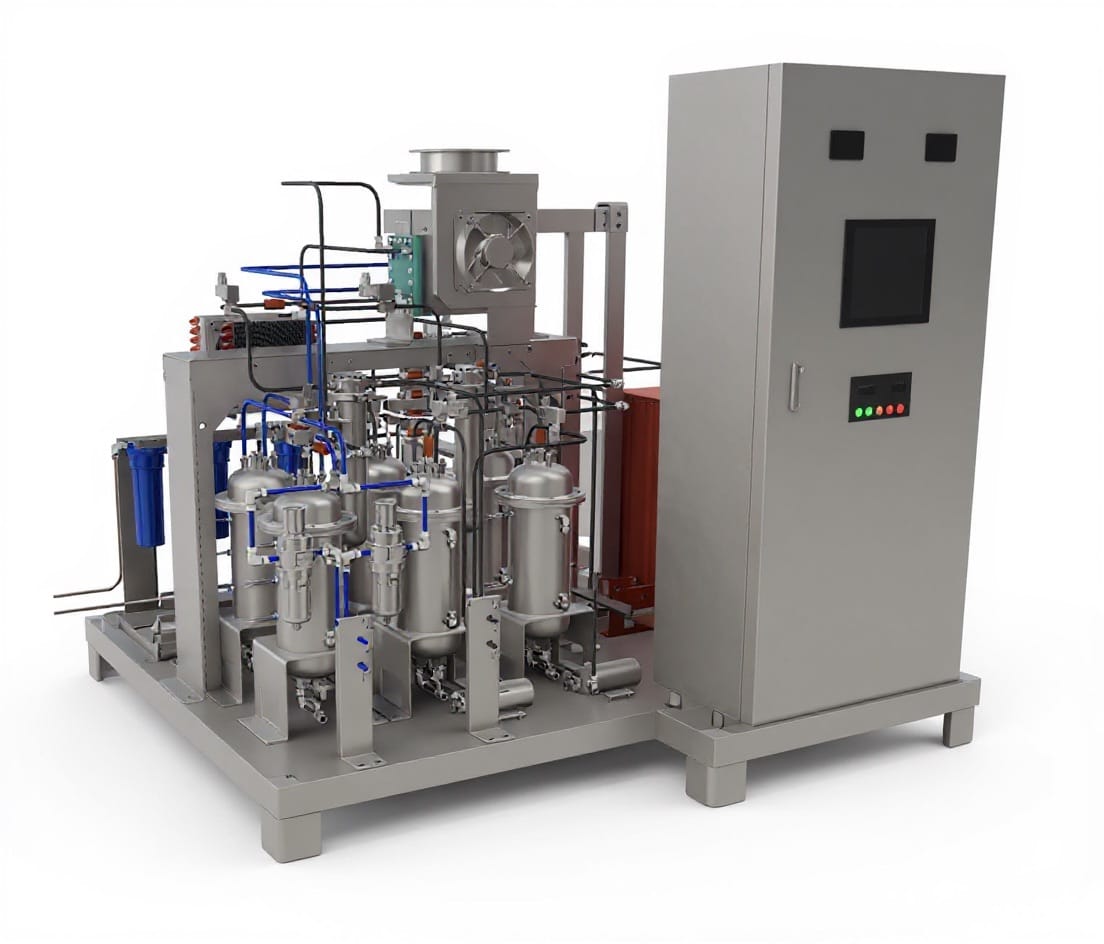
Early design phases, mood images, creative ideation
Why AI shines here:
- Exploratory phase: Precision is not yet critical, creativity comes first
- Fast iterations: Visualize different directions in hours instead of days
- Low investment: Do not waste resources on concepts that you reject later
- Communication aid: Abstract ideas become something you can discuss
Best practice:
Use AI for the concept phase. But change to professional CGI as soon as the design direction is fixed and you need technical precision.
3. 🏭 Backgrounds and Industrial Environments
The use case: You need realistic production environments, factory halls or industrial scenes as context for your machine visualizations.
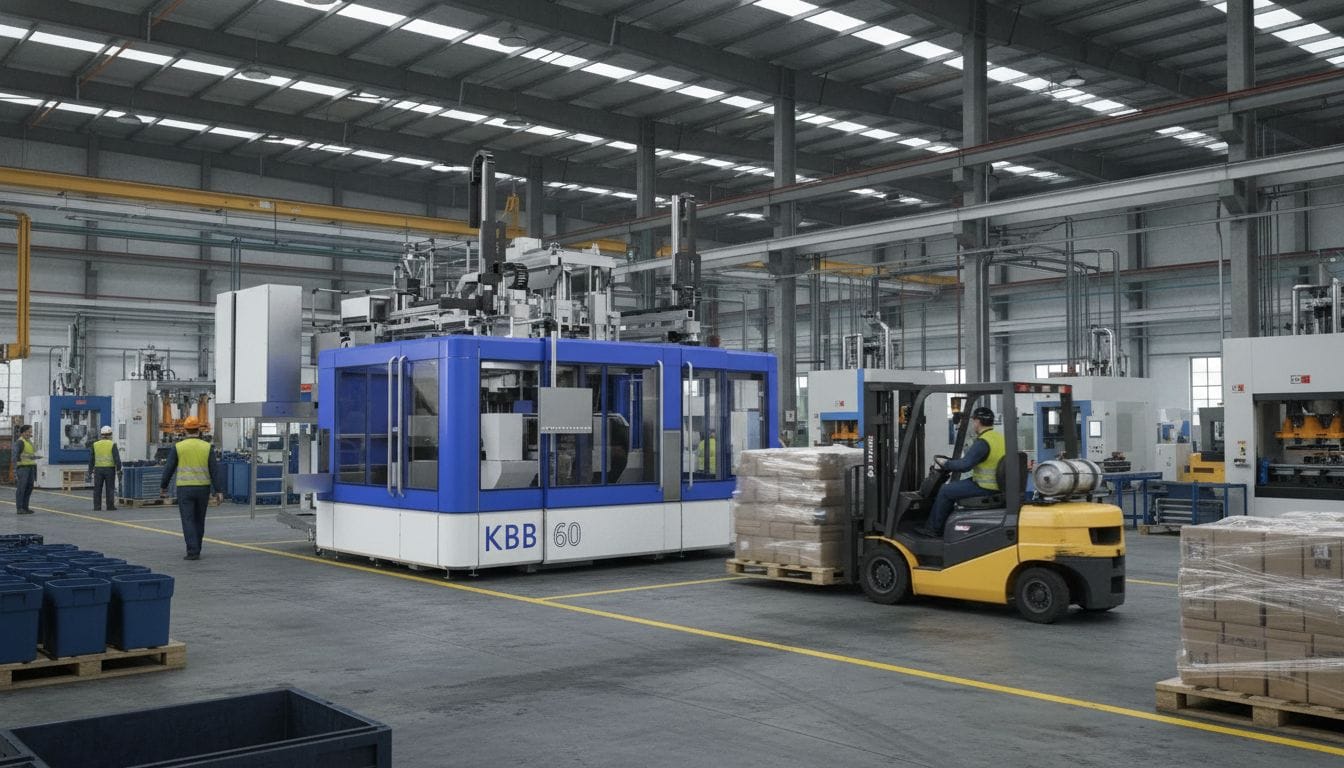
Why AI shines here:
- Excellent environment generation: AI creates convincing industrial scenes
- Variability: Different production environments for different target groups
- Combination possible: AI background + professional product rendering = the best of both worlds
- Time savings: No complex 3D modeling of complete production halls necessary
Google Veo 3: also as videos
Hybrid approach:
The perfect solution is often a combination: AI generates the environment, and your precise CGI rendering of the machine is composited into it. This gives you creative flexibility with no compromises in the product presentation.
4. 🎨 Color Variants and Lighting Iterations
The use case: You want to show your machine in ten different color variants or create different lighting scenarios for A/B tests.
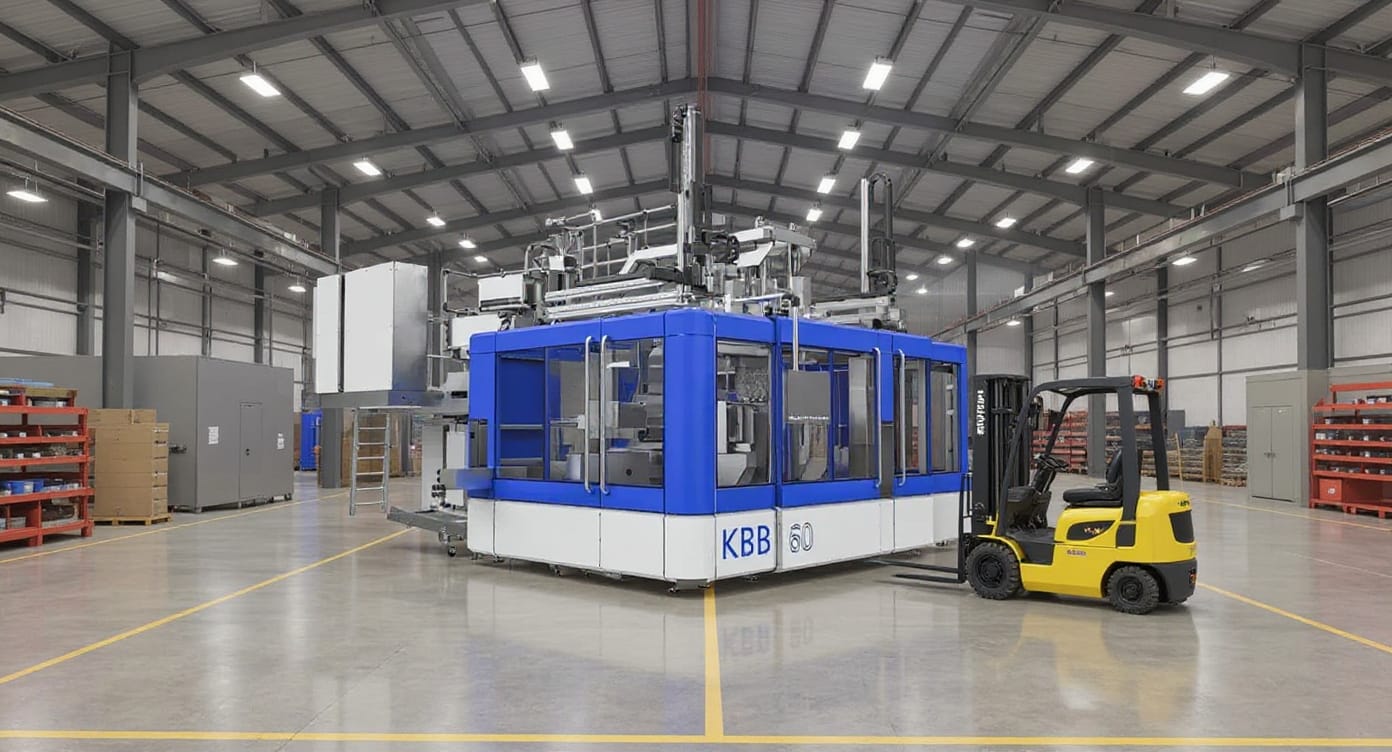
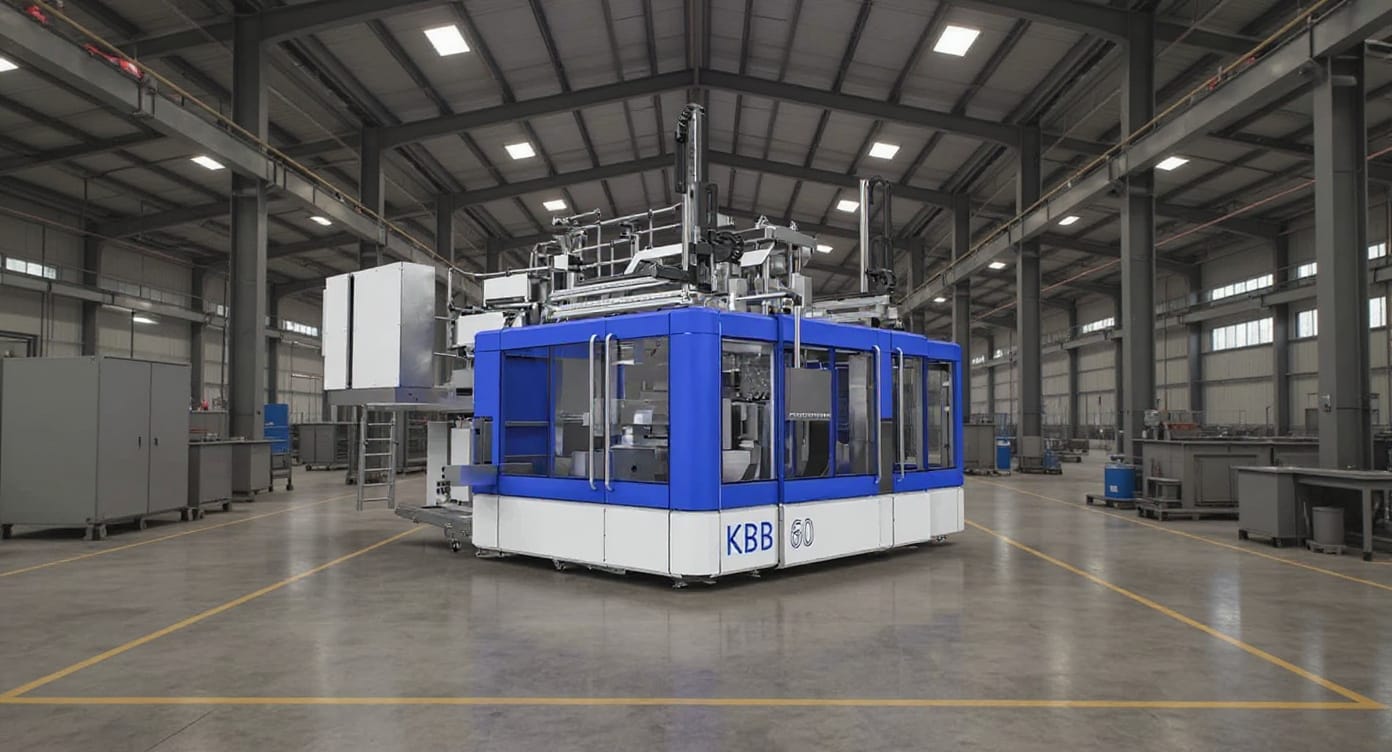
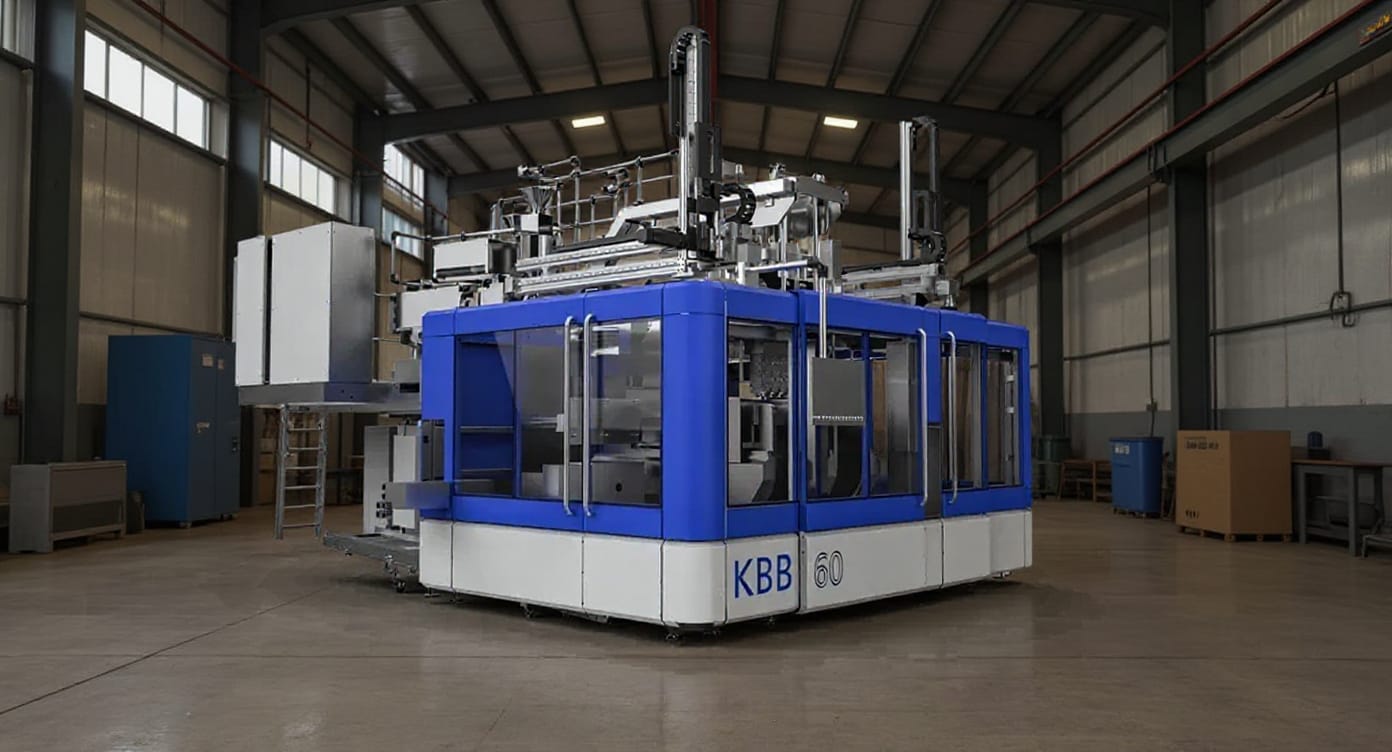
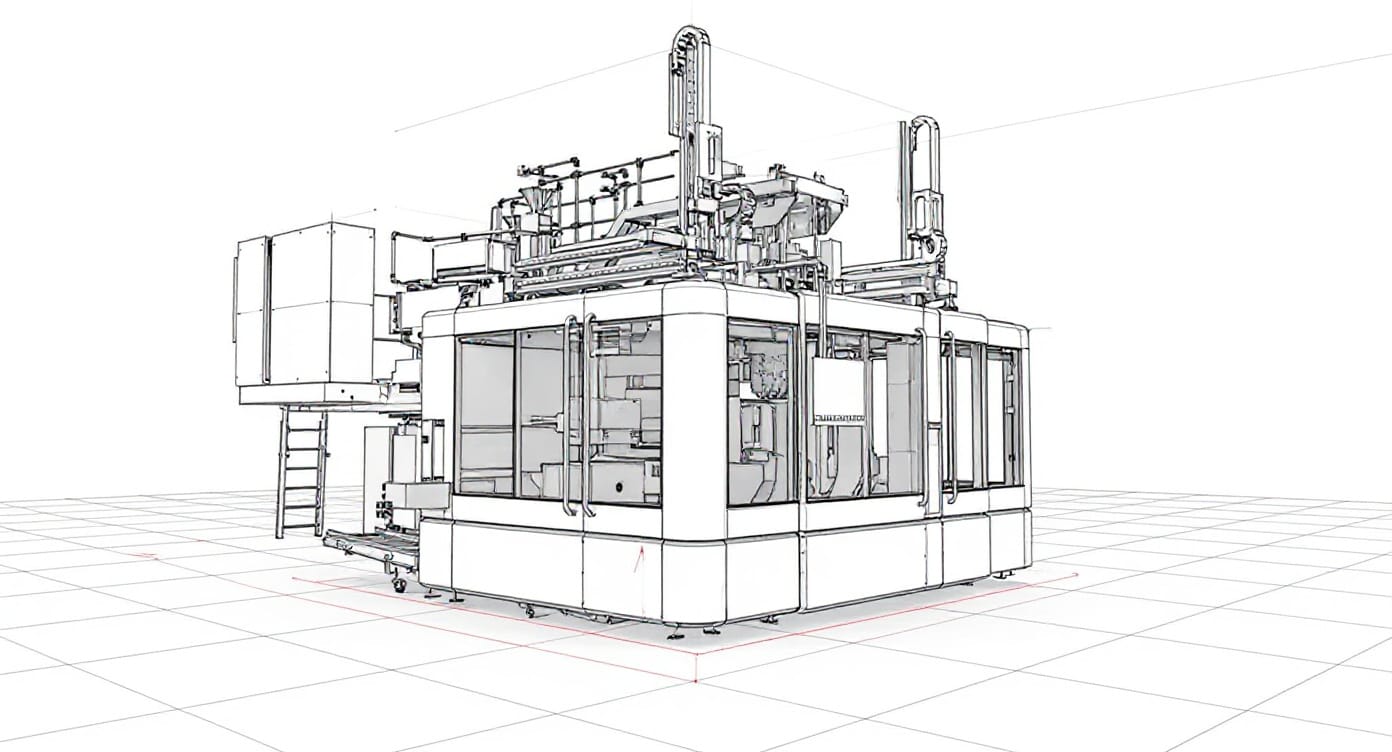
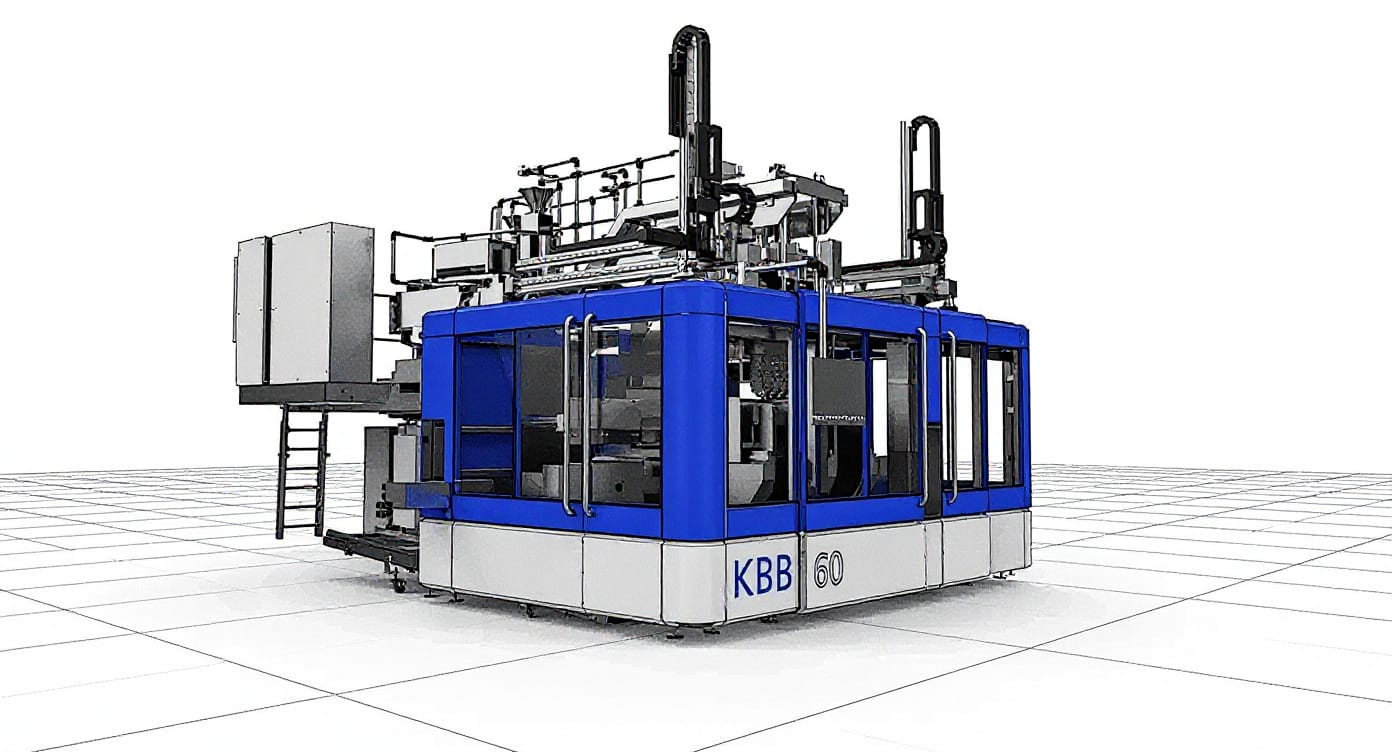
Fast A/B tests or creative exploration
Why AI shines here:
- Simple variation: What takes a lot of work with traditional rendering is a simple prompt with AI
- Creative exploration: Quickly test different looks
- A/B testing: Marketing can compare different variants with little effort
- Speed: Results in minutes instead of hours
Limitation:
For final product catalogs with exact RAL colors, you still need professional CGI. But for the exploratory phase, AI is ideal.
5. 📸 Reference Images for Briefings
The use case: You must explain to your photographer, designer or agency partner what the final result should look like.
Why AI shines here:
- Communication aid: In a briefing, a picture says more than a thousand words
- Fast creation: References without time-consuming research or Photoshop work
- Specific to your product: Not only stock photos, but actually your machine
- Alignment: All stakeholders understand the vision
Workflow example:
- Marketing creates an AI reference image for the planned campaign
- Internal alignment based on the reference image
- A professional service provider creates the final, technically correct version
- The result meets expectations: no surprises
🎯 Conclusion: AI Is a Tool, Not a Replacement
For some use cases in mechanical engineering, AI visualization is already extremely valuable today:
- ✅ Fast social media content
- ✅ Concept exploration in early phases
- ✅ Environments and backgrounds
- ✅ Creative variations and tests
- ✅ Help with communication and briefings
But: For technically precise sales documents, catalogs and all applications where brand consistency and CAD conformity are critical, you still need professional CGI renderings.
The smart strategy is not "AI or CGI", but "AI and CGI": use each tool where it can show its strengths.
🔗 Read more:
Want to know where professional CGI renderings show their strengths? Read our main article:
 Marie Candela