

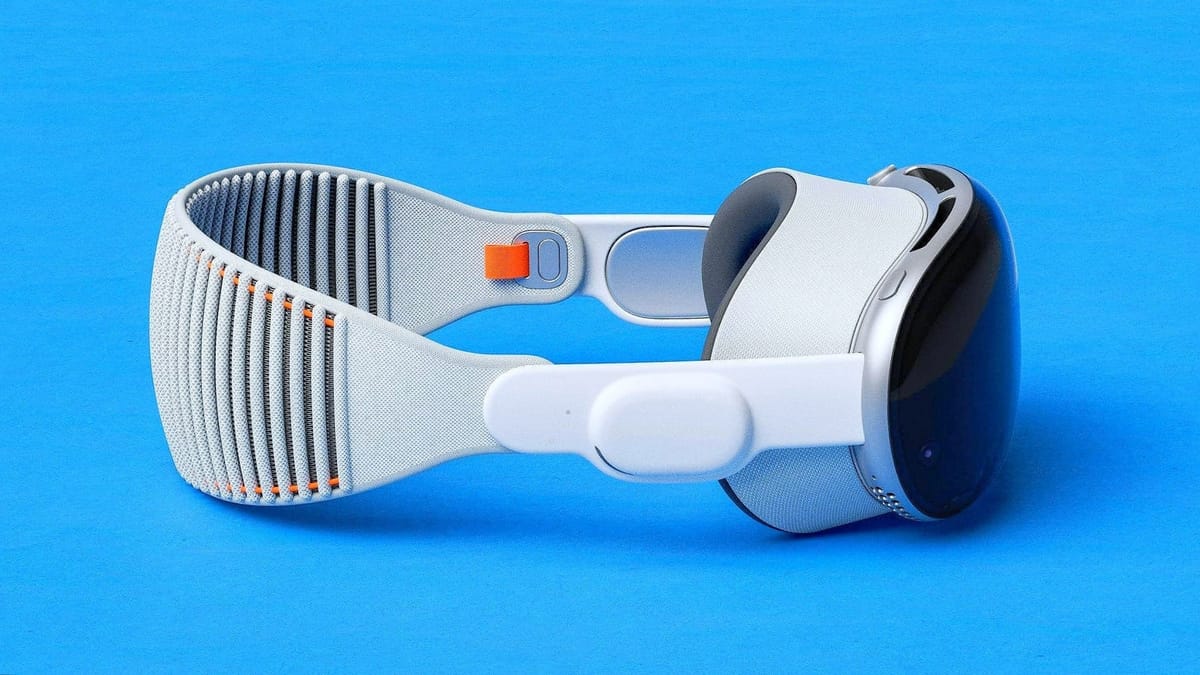
visionOS is the operating system that Apple developed for the Apple Vision Pro (→ hardware guide). It is the first spatial operating system in the world. Apple developed it specially for the requirements of spatial computing. It blends digital content seamlessly with the physical environment.
A New Category
visionOS is based on the proven technologies of iOS, iPadOS and macOS. The operating system uses a completely new, three-dimensional user interface. You control it with your eyes, hand gestures and voice input. The architecture of visionOS enables:
- Real-time capture of the environment through advanced environment mapping
- Precise hand tracking and eye tracking for natural interactions
- Seamless integration of 2D and 3D applications
- Dynamic adaptation of the display to the ambient lighting
Spatial computing is a paradigm shift in human-computer interaction. Traditional 2D screens show applications and content on a flat surface. With spatial computing, they are placed directly in three-dimensional space, and you interact with them naturally. visionOS is the first consumer operating system that was developed fully for this new type of computing.
Core Functions and Features
1) Innovative user interface
The user interface of visionOS introduces several revolutionary concepts:
- Infinite Canvas: users can place as many apps and windows in space as they want
- Dynamic Scale: you can make content larger and smaller without fixed steps
- Shared Space: several users can interact in the same virtual space at the same time
- Contextual Awareness: the system detects the environment and adapts the display and interactions to it, for example when another person enters the room
2) App development environment
Developers can use familiar tools and frameworks:
- SwiftUI to design spatial user interfaces
- RealityKit for 3D rendering and animation
- ARKit to capture the environment
- Swift as the primary programming language
Thus, visionOS fits seamlessly into the developer tools of the other Apple platforms. This gives it one highlight: compatibility with existing iOS and iPadOS apps! You can install and use many existing apps on the Vision Pro without updates from the app developers.
According to Apple, this makes more than 1 million apps available on the new visionOS platform.
visionOS supports three different app types:
▸ Windows apps: traditional 2D applications in spatial windows
▸ Volumes: fully three-dimensional apps with spatial depth
▸ Spaces: immersive environments that fill the whole field of view
3) Security and privacy
With visionOS, Apple puts a strong focus on data privacy and security. Biometric authentication with Optic ID, encrypted data transfer and storage, granular permission control for sensors and functions, clear privacy indicators and a guest mode are well-designed functions. Headsets from other manufacturers do not have them.
Development and Updates
visionOS is an important milestone in the evolution of operating systems. It is the first dedicated spatial computing operating system for consumers, and it sets new standards.
The continuous development of visionOS will strongly shape the future of spatial computing. It will open new applications in areas such as productivity, entertainment and communication.
Apple releases regular updates for visionOS. They introduce new functions and optimize the platform. Through the Apple Developer Program, developers get access to beta versions. This lets them adapt their apps to new features early.
More about this in our hardware guide:
 Andreas Zeitler
And on YouTube:
visionOS v2.0 Review
FAQs
What is visionOS?
visionOS is the first spatial operating system in the world (spatial computing operating system). Apple developed it for the Apple Vision Pro mixed reality headset. Like macOS, iOS and iPadOS, it has a user-friendly interface. It gives access to more than one million apps for video streaming, 3D, augmented reality and virtual reality applications.
What are the main functions of visionOS?
visionOS gives natural control with your eyes, hands and voice. You can place apps and content freely in space, create several displays of any size and switch seamlessly between different levels of immersion (from full mixed reality to full virtual reality).
How is visionOS different from other operating systems?
visionOS is the first operating system that was developed specially for spatial computing. It combines Apple's proven ease of use with completely new spatial ways to interact. You can use digital content naturally in your environment and stay connected to the real world.
Can I use visionOS on devices other than the Apple Vision Pro?
No. Apple developed and optimized visionOS specially for the Apple Vision Pro "spatial computer". It is only available on this device.
Can I develop my own apps for visionOS and the Vision Pro?
Yes. Apple released all developer tools that already work for macOS and iOS also for visionOS. You can publish apps for visionOS through the Apple App Store and also sell them commercially.
How often are there updates for visionOS?
Until mid-2024, visionOS was in active development. Apple released very extensive updates for the operating system in quick succession:
- visionOS 1.0 - February 2, 2024
- First public version
- Released together with the launch of Apple Vision Pro
- visionOS 1.1 - March 7, 2024
- First larger update
- Stability improvements and bug fixes
- Security updates
- visionOS 2.0 - March/April 2024
- First major version
- New functions and improvements
- Performance optimizations
- visionOS 2.1 - April 2024
- Bug fixes
- Improved system stability
- visionOS 2.2 - April/May 2024
- More optimizations
- Bug fixes
- visionOS 2.3 - May 2024 (current version)
- Latest version
- Different improvements and bug fixes
Note: the correct spelling is "visionOS" (lowercase) and "Vision Pro" (two words), as Apple uses them officially.
Sources:


